KYIV — Ukrainian President Volodymyr Zelenskyy on Sunday publicly rejected the idea of holding elections during the war with Russia, hours after his sacked defense minister told the BBC that the president has "questions to answer" about corruption inside his own government.
The dueling appearances hardened a rift that has become the most public challenge to Zelenskyy's authority since Russia's February 2022 invasion, and reset the terms of a debate that Mykhailo Fedorov, ousted in July, opened last week when he called for a vote under martial law.
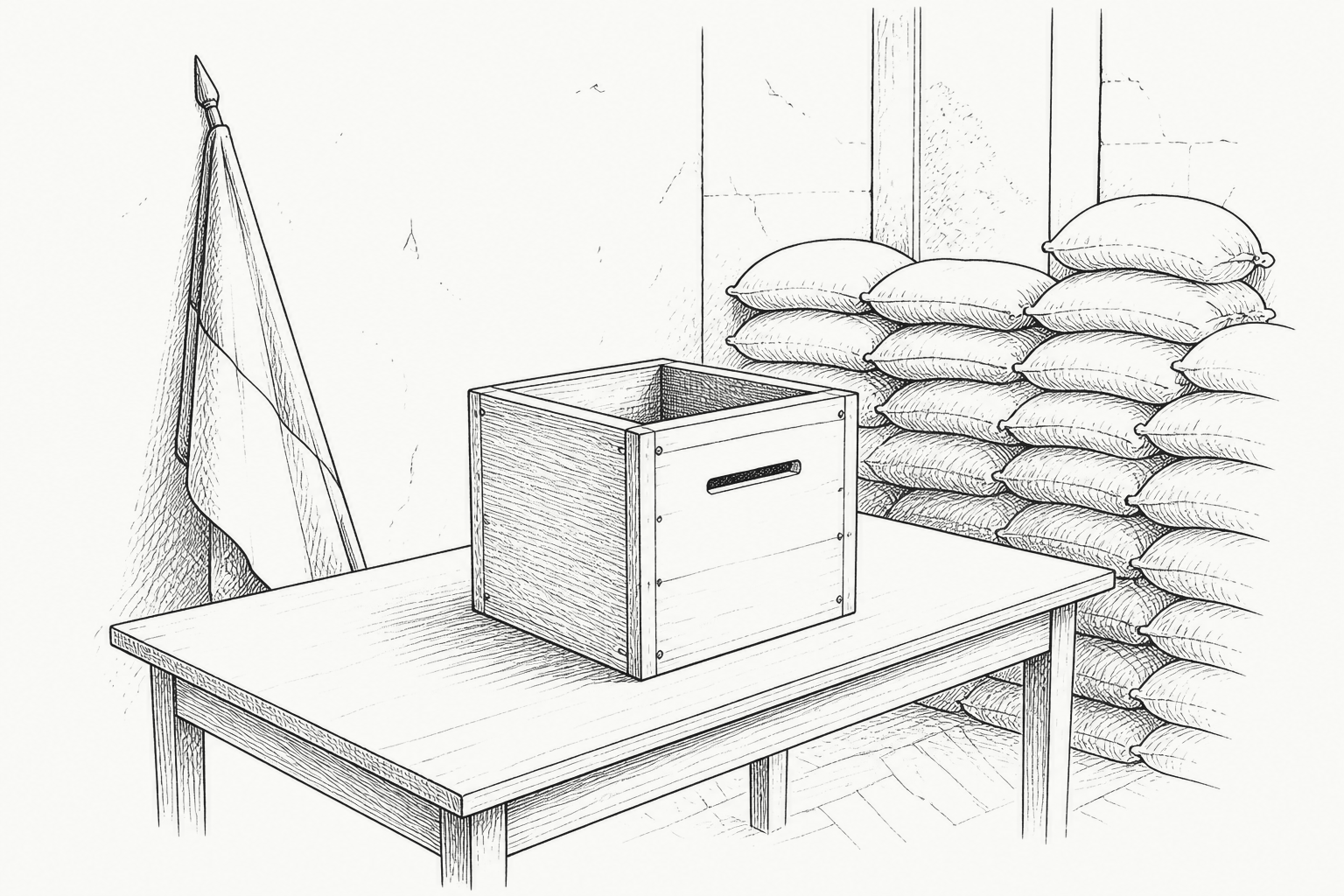
"I believe that in a war like this, elections as such are a huge risk," Zelenskyy said in remarks released Sunday. "Elections right now are a tsunami for the country that will split Ukraine." Ukraine has been under martial law since the invasion, and elections are suspended for its duration.
Fedorov, 35, went further in the BBC interview that aired the same day. He said an anti-corruption investigation announced last week — which Ukraine's anti-corruption bureau said had uncovered a scheme to misappropriate more than $3 million to pay bail for a former energy minister accused of money laundering — raised questions about what Zelenskyy knew about wrongdoing in his inner circle. A senior official in the president's office alleged to be involved was sacked.
"Let him answer this question," Fedorov told the BBC. "I believe that he's ready for such questions. It's his responsibility to tell us all whether he was aware of all that or not."
The president's reply
"Since the former minister was part of every government since 2019, it's strange that he phrases it as though these were somehow different governments without him," a spokesperson for Zelenskyy told the BBC. "As everyone remembers, we didn't hear any strong statements from him back then."
Fedorov, widely credited with building the drone force that has enabled long-range Ukrainian strikes deep into Russia, denied having any evidence that Zelenskyy is personally corrupt. "In all the time that I worked with him, not a single time have I received from him any task or assignment that would go against law or my sense of integrity," he said. He added that he had had no contact with the president for "a couple of weeks."
Zelenskyy fired him in mid-July, citing an unresolvable feud with the top Ukrainian general, Oleksandr Syrskyi. Weeks of street protests followed. Demonstrations ended Wednesday after parliament confirmed Fedorov's successor.
The election question
Fedorov's call for a vote — first delivered in a video Tuesday, the day before the money-laundering investigation was announced — has been largely rejected inside Ukraine. He told the BBC he was exercising his "moral right" to open the debate and stopped short of declaring a candidacy of his own.
Experts cite a raft of practical obstacles to a wartime vote: how to enfranchise soldiers on the front, millions of refugees abroad and residents of Russian-occupied territory, and how to run a ballot against an expected wave of Russian disinformation.
Counterpoint
Fedorov's push has drawn sympathy from Ukrainians frustrated with the concentration of power under martial law but scant backing from the political establishment or from the country's Western supporters. His replacement was confirmed with little opposition, and the president's office has framed the former minister's corruption critique as the opportunism of an insider who stayed silent for years. Zelenskyy has not directly addressed the specific question Fedorov posed about his knowledge of the alleged bail scheme.
Fedorov said he will travel to the United States in the coming weeks, where he hopes to meet Elon Musk to press for expanded Starlink coverage that would aid Ukrainian strikes into Russian airspace without giving the Kremlin the same access.