Nvidia said Monday it had signed six of Wall Street's largest asset managers to a $500 billion financing consortium for artificial-intelligence infrastructure, enlisting Apollo, BlackRock, Blackstone, Brookfield, Goldman Sachs and KKR to bankroll data centers and chip plants for the company's own projects and those of its customers.
The arrangement marks the first time the largest pools of long-term capital have agreed to treat AI computing hardware — what the industry calls "compute" — as a distinct asset class, giving Nvidia a way to share the balance-sheet burden of the buildout after months of directly lending to customers, including OpenAI. It cements the Santa Clara, California, company's role as both supplier and financier at the center of a spending wave that has topped $1 trillion in three years.
What Nvidia announced
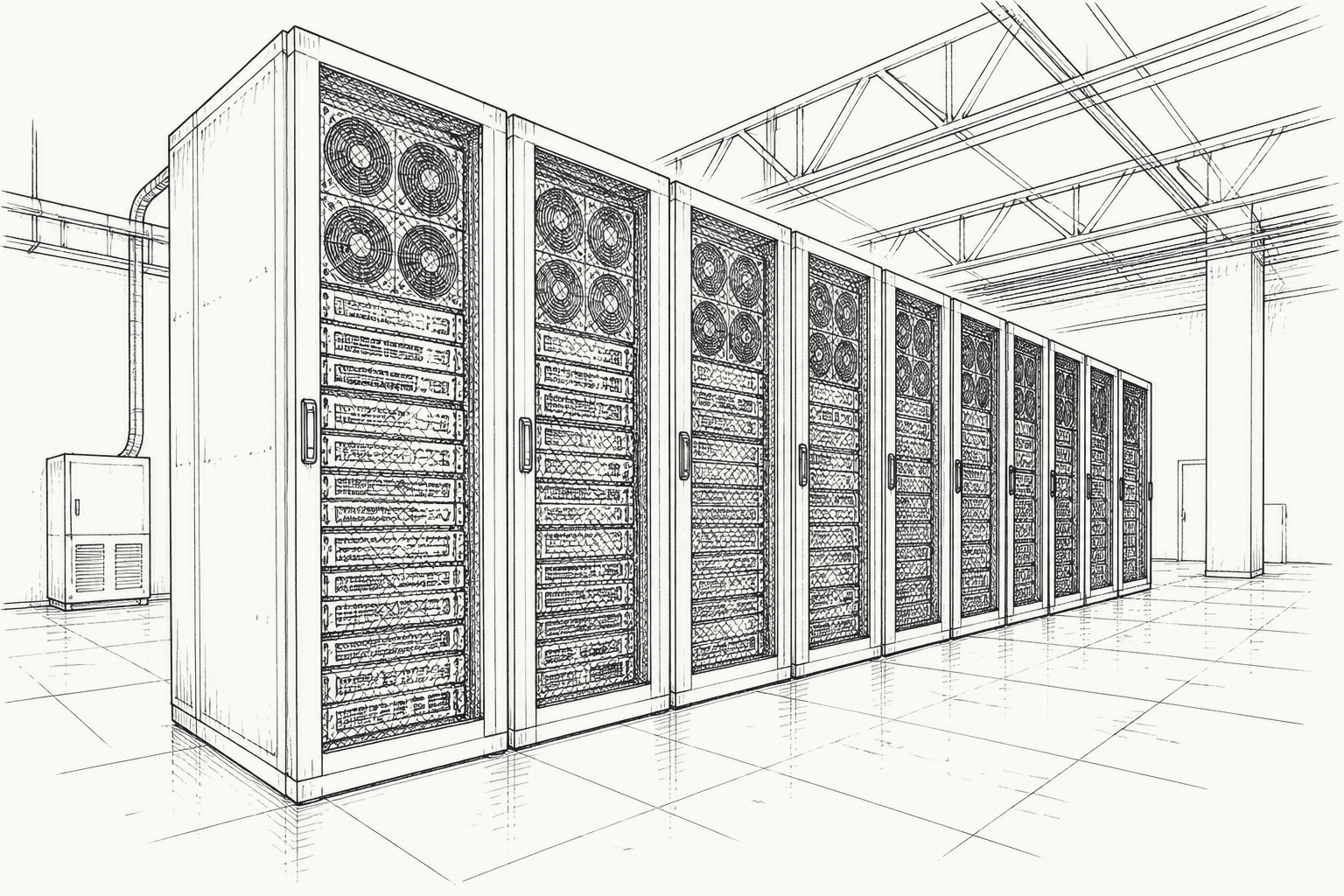
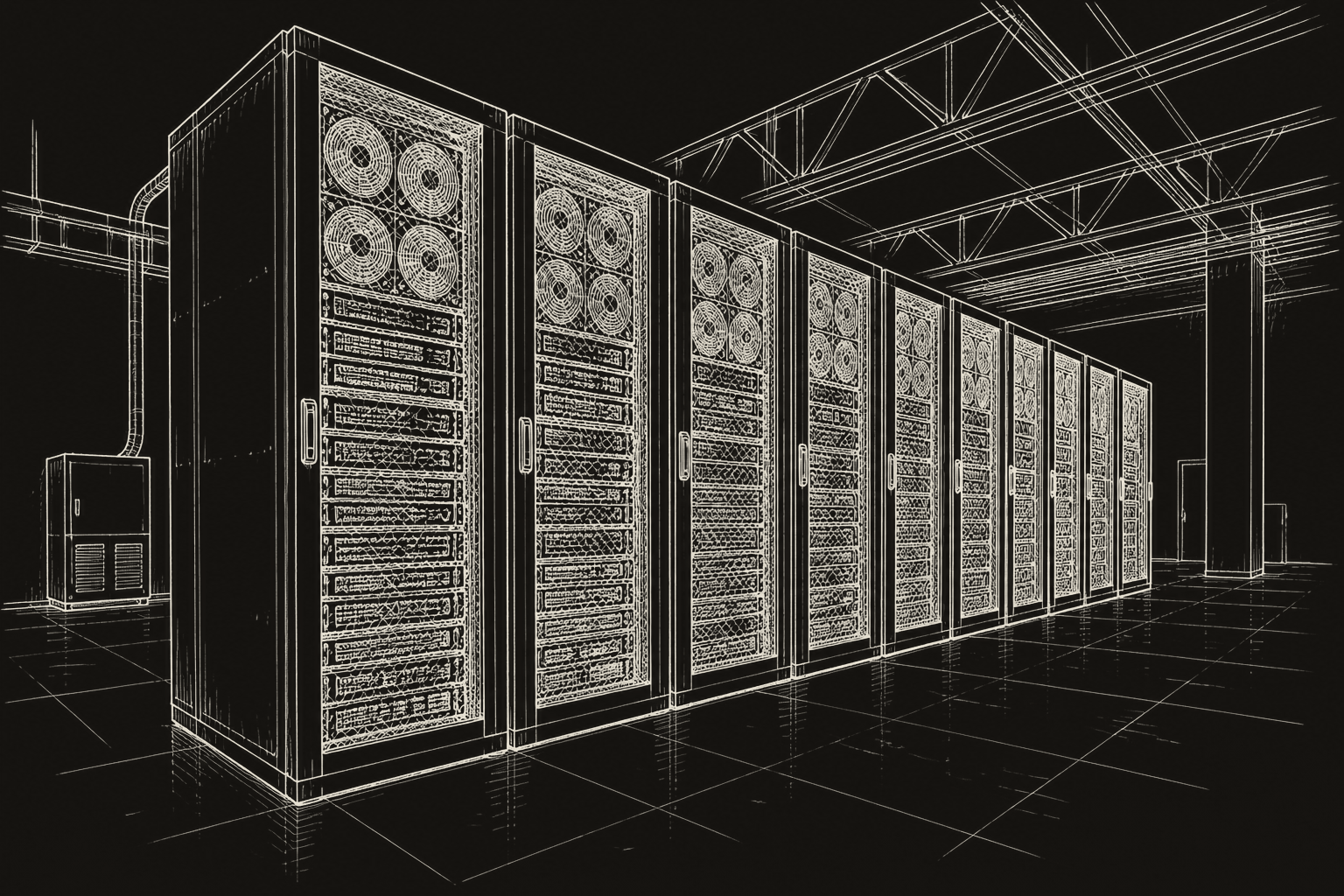
"In AI, compute is revenue," Chief Executive Jensen Huang said. "We are bringing the world's leading long-term capital providers together to independently underwrite AI infrastructure." The money will pay for new data centers to house and cool racks of graphics processing units, and for factories to manufacture the chips themselves. Huang said the company was "helping create a new class of productive, investable infrastructure: AI factories," a reference to Nvidia's proprietary DSX data-center design that customers use to build training clusters.
Wall Street's stake
Apollo President Jim Zelter, whose firm manages more than $1 trillion in assets, called modern compute "a scarce, mission-critical asset class" and said it was "positioned to drive significant long-term economic growth and productivity gains." "Compute has become a critical infrastructure asset," KKR co-Chief Executives Joe Bae and Scott Nuttall said in a joint statement. "As we've scaled our approach to digital infrastructure, we've learned that delivery, not ambition, is the hard part." BlackRock last month took a majority stake in a Meta Platforms data center in Texas, and Anthropic recently struck a separate infrastructure deal with Macquarie Asset Management and Singapore's GIC.
The customer roster
Every major AI developer — Google, Meta, Amazon, Microsoft, SpaceX, Tesla, OpenAI and Anthropic — runs on Nvidia's chips, and the company's stock-market value has quintupled in three years. Semafor, which followed a Financial Times report on the deal, said the vehicles will serve "companies from frontier labs to hyperscalers," bringing the same capital pools that finance airports and pipelines to a business that until now has leaned on venture equity and Nvidia's own lending.
The doubters
Neither source turned up a partisan critic willing to challenge the announcement on the record. Jane Sydenham, a senior investment manager at Rathbones, told the BBC: "The worry is that more and more money is going into these projects. Are they all going to earn the right return for the future?" Semafor said the packages will keep a "huge amount of capital tethered to Nvidia" and away from would-be competitors, deepening customer dependence on a single vendor. Nvidia shares dipped Monday on the news.
What's next
Nvidia did not disclose a timetable for the first drawdowns or which projects would receive capital first. Federal antitrust regulators had not publicly weighed in by press time.