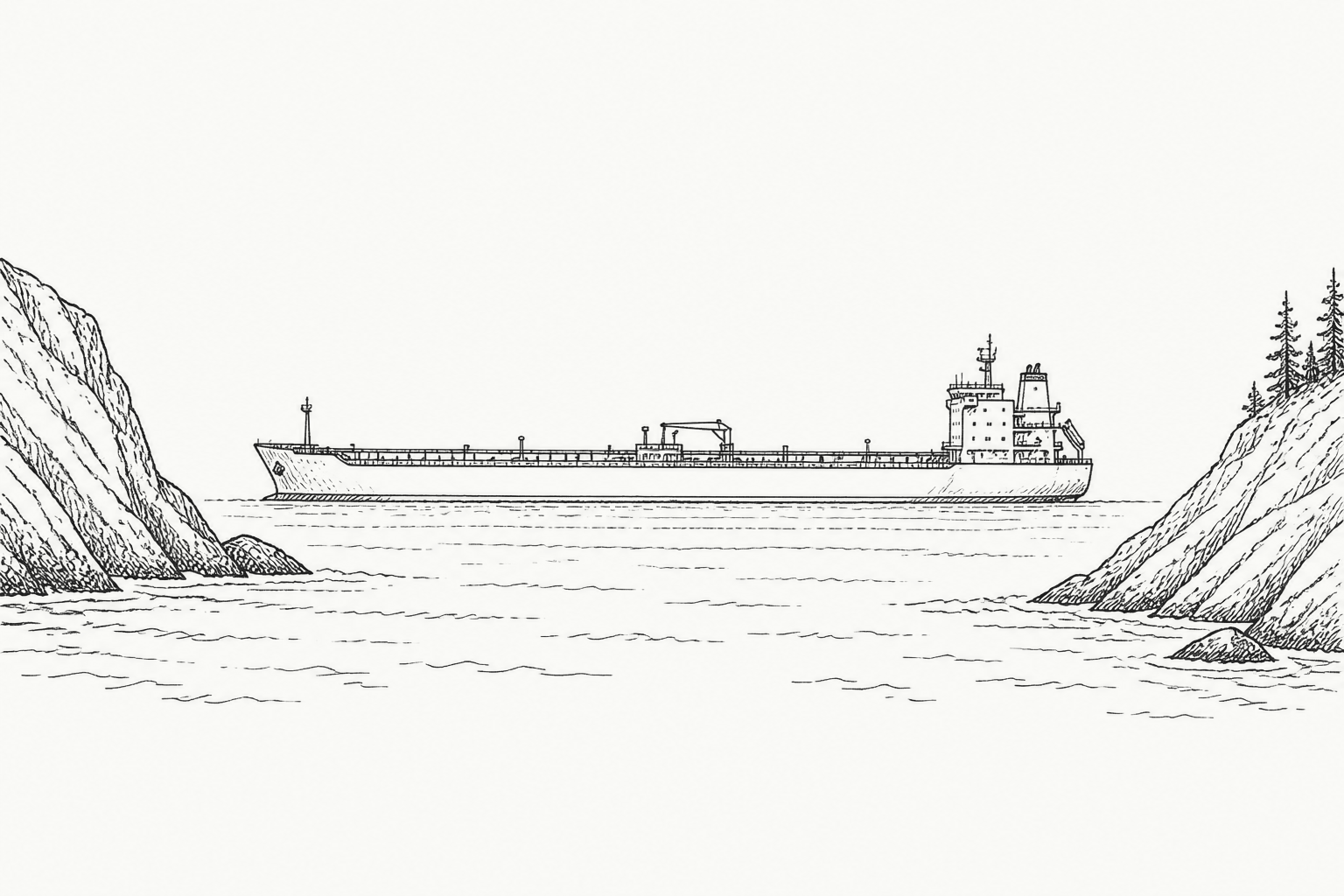
WASHINGTON — President Trump and Treasury Secretary Scott Bessent said Tuesday that an agreement to reopen the Strait of Hormuz could be announced as soon as Wednesday, as the outlines of a proposal negotiated by Iran and Oman moved toward a lane-splitting system through the world's most important oil chokepoint.
Trump, speaking to reporters traveling with him in California, was asked about an Axios report that an announcement could come Wednesday. "It could happen. Tomorrow or the next day," he said. "A lot of progress has been made." Bessent told The Hill separately that a deal was possible "today or tomorrow," and Secretary of State Marco Rubio said progress had been made.
If approved, the arrangement would restart a June memorandum of understanding that calls for a 60-day period of free transit through the strait, according to sources briefed on the talks, and could ease a war that has choked most international commerce through the waterway since Feb. 28.
The Muscat plan
Under the proposal Iran and Oman have been negotiating, ships entering the strait would use the channel closest to Iran under Tehran's coordination, while vessels leaving would use the Omani side, with Muscat managing outbound traffic, an Iranian source told CBS News. The source said the broad outlines have largely been agreed and that remaining discussions concern implementation and timing.
Details on fees remain unsettled. Sources told CBS News the current proposal would exclude tolls or service fees entirely, addressing the sticking point of past rounds. Two regional officials speaking on condition of anonymity told The Associated Press that a "service fee" would still be charged for security and environmental costs, with revenue split between Iran and Oman.
Trump has publicly ruled out any levy. "I'm not going to let them charge," he said Monday. "Anybody's going to charge, we'll charge."
Iran's Foreign Minister Esmaeil Baqaei told the state broadcaster IRIB that discussions with Oman had been productive. "Iran is trying to formulate the necessary mechanisms for future arrangements for the management of shipping traffic in this strategic crossing, in cooperation with Oman, and the final results of these negotiations will be announced after the conclusion," Baqaei said.
On the water
Attacks continued as the diplomacy advanced. Iran-backed Houthis said Wednesday they had hit the Saudi oil tanker Wafa with ballistic missiles off Yanbu, the eighth Saudi tanker targeted since the group declared a maritime blockade of the kingdom on July 22. U.S. Central Command said Tuesday the southern route through the Strait of Hormuz "remains free and open for all commercial vessels seeking to transit the international waterway," and said U.S. forces had helped more than 1,000 vessels transit the strait over the past three months.
The negotiations advance under strain on both sides. Two sources with direct knowledge told CBS News the United States has expended virtually all of its Army Tactical Missile Systems and Precision Strike Missiles during Operation Epic Fury. Defense Secretary Pete Hegseth dismissed the concern in a July 14 appearance on "Face the Nation with Margaret Brennan," calling it "a manufactured story that the media wants to peddle."
The skepticism
Any announcement would come after a week in which Iran repeatedly denied any U.S. talks were underway — Tehran's foreign ministry said Monday it had no plans to negotiate with Washington, the same day Trump said negotiations would begin that afternoon. In an interview with Fox News, Trump called Iran's public statements "just such a lie" and threatened consequences if the talks collapsed again. "If they back out again, they're going to get hit really hard," he said. "They know that. They understand that." He added: "The hard hit is yet to come, and hopefully we won't have to use it."
Trump is expected to speak Wednesday on whether the announcement will come this week.