CEUTA, Spain — Spain on Saturday installed a 500-meter-long barrier on the sea border between its North African territory of Ceuta and neighboring Morocco, moving to seal a frontier that tens of thousands of migrants breached earlier in the week in a rush that killed at least 67 people and left Prime Minister Pedro Sánchez at odds with most of the European Union.
The sea barrier arrived with Sánchez politically isolated. Leaders of 22 EU countries signed a letter Saturday demanding an emergency videoconference of interior ministers, targeting the Spanish policy of regularizing undocumented workers already inside the country and warning that the images from Ceuta will encourage further attempts. Italy has already reimposed border checks on travelers arriving from Spain by air and sea, suspending an open-border arrangement that Rome and Madrid have shared inside the Schengen zone.
What Spain built
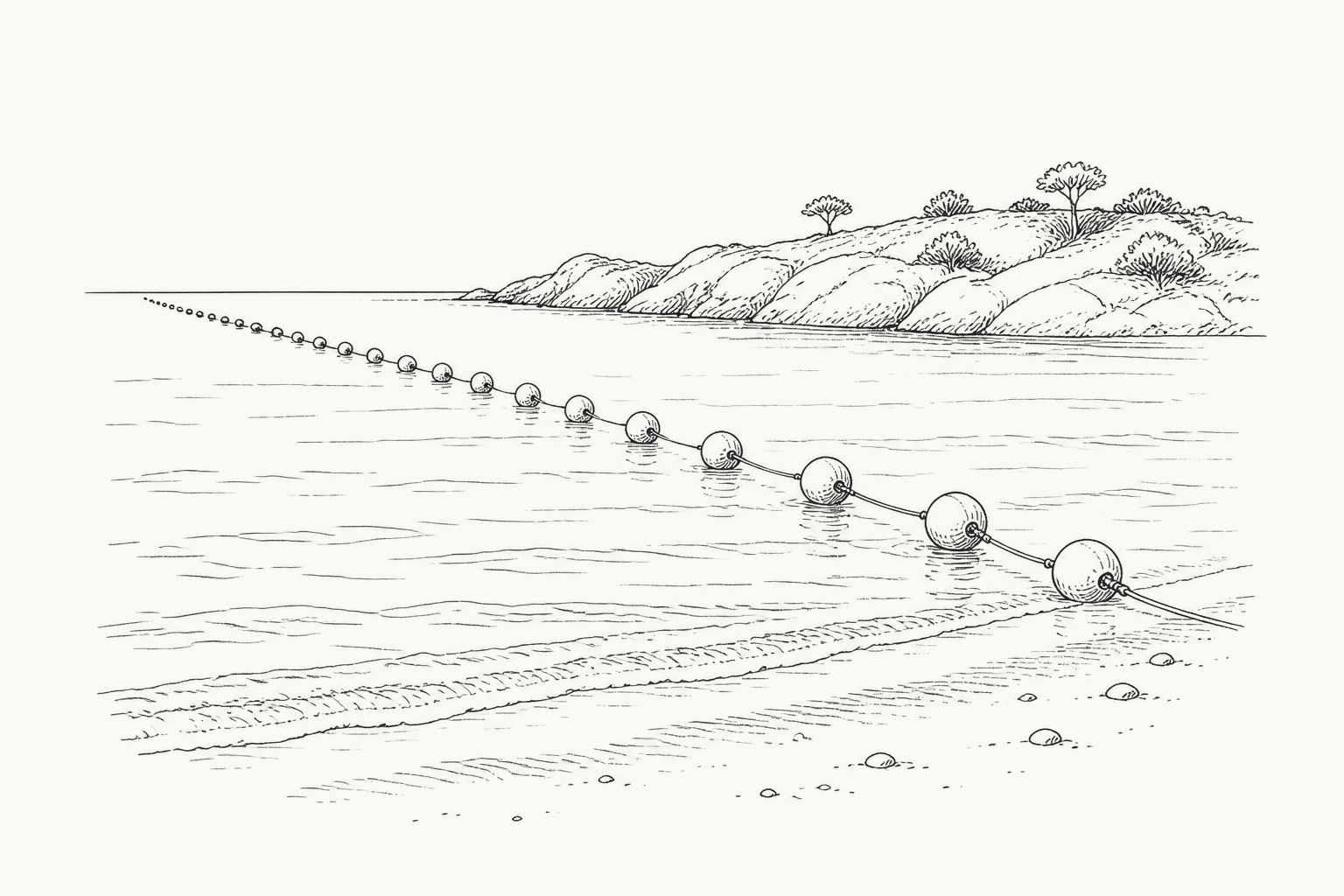
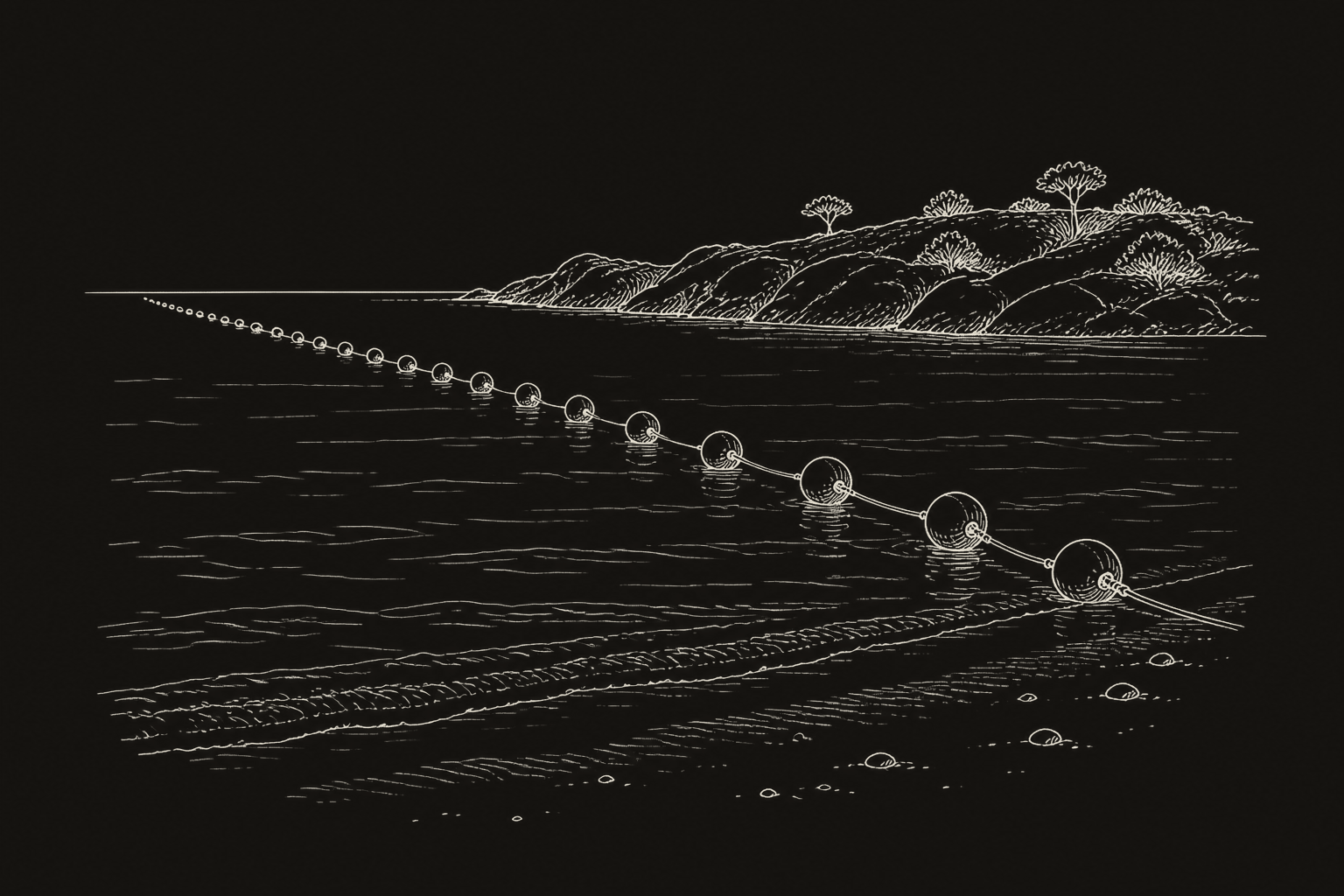
Contractors laid a chain of orange buoys attached to the existing jetty — an extension of the land fence into the sea — that ships will then patrol to deter future swimmers, according to Spanish officials. On Saturday morning, a handful of migrants who swam to Ceuta's urban Tarajal beach were met by soldiers who escorted them across the border.
"We are relentless against those who break the law," Interior Minister Fernando Grande-Marlaska told journalists in Ceuta. Asked how the breach could have happened given the heavy security on both sides of the border, Marlaska defended the government in Rabat, saying cooperation with Morocco allowed Spain "to revert the situation in 24 hours." "Morocco is not a threat to Ceuta, or to the rest of Spain. It is a reliable partner," he said.
The 22-signature letter
The letter, released by the Danish prime minister's office, was signed by the leaders of Italy, Denmark, Austria, Belgium, Bulgaria, Cyprus, Croatia, the Czech Republic, Estonia, Finland, Germany, Greece, Hungary, Latvia, Lithuania, Malta, the Netherlands, Poland, Romania, Slovenia, Slovakia and Sweden. It asked the EU's current Irish presidency to convene the videoconference and warned against what it called "the instrumentalization of migration or other hybrid threats to create the perception that illegal entry into the European Union is possible."
Bloomberg, the Financial Times and the Economist all framed the weekend the same way — Sánchez isolated, Ceuta venting, an emergency meeting set.
Sánchez hit back. He called calls to suspend Spain from Schengen "driven by prejudice, fake news, ignorance, or political interest." In his own letter to EU officials, he wrote that "the European Union cannot afford this kind of selfish, polarizing and unlawful reaction," and asked for the same emergency videoconference.
On the beach
Most of the migrants who reached Ceuta were already leaving. Hundreds walked long stretches of wave breakers Saturday before slipping back into Morocco through a small breach in the border fence, most of them Moroccan and a smaller number from sub-Saharan Africa.
"I decided to come back on my own," said Ouail Lamzeiz, one of the returning migrants. "I spent eight days in Ceuta, and I was about to get a bed at the migrant center, but I hadn't eaten for days. Even the Moroccans there didn't help," he added. Another, Othmane El Merzoug, asked passersby for a phone call so he could reach his family for money for the trip home, about 189 miles away.
"Life in this city has been disrupted as a result of the border incident," said Ceuta President Juan Jesús Vivas. "The return of people has begun satisfactorily, but the process must be completed." Along Tarajal beach, resident Mohamed Abdelatif, 21, said the border rush had ruptured the city's peace. "The reality is, it's not good," Abdelatif said, before wading into the water with his girlfriend.
Not everyone was leaving. Mohamed Hatri, a 23-year-old Moroccan, said Spanish officials had "closed everything down so that we can't buy anything to eat, to force us to return to our country," and that he and others were determined to stay "whether we're hungry or not."
The counterpoint
Spain's critics in the EU are not disputing the humanitarian toll. Their objection is that Sánchez's decision to allow hundreds of thousands of undocumented workers to apply for residence and work permits — a program the government says is closed to new applicants but that the 22 signatories describe as one of the "pull factors" they want the EU to eliminate — turned into online cries of "Spain is Open" and into the images racing through Ceuta that Italian Prime Minister Giorgia Meloni's Fratelli d'Italia party ran with the caption, "This is the Sanchez model the Italian left wing likes so much," according to the BBC. Ceuta itself is not part of Schengen, but Meloni cited a security threat in suspending open-border travel with mainland Spain. U.S. President Donald Trump has used the words "catastrophe" and "invasion" and, according to Al Jazeera, tied the surge to November's U.S. midterm elections. Sánchez notes that Spain, even after Ceuta, has fewer illegal migrants cross than Italy or Greece, and that a recent Spanish Supreme Court ruling barring instant returns of sea arrivals was, in his account, misrepresented by smugglers.
The EU's Irish presidency has scheduled the emergency videoconference of interior ministers for Tuesday.