The U.S. Bureau of Reclamation on Friday proposed forcing Arizona, California and Nevada to share deep cuts to their Colorado River water deliveries, moving to break years of deadlock among the seven Western states that rely on a shrinking waterway that serves 40 million people.
Under the plan, the three Lower Basin states could be required to reduce their collective use by up to 3 million acre-feet each year through 2036 — about 130 billion cubic feet, or enough water for more than 25 million people annually. The actual reductions would be reset every two years based on conditions in the basin. Colorado, Utah, New Mexico and Wyoming would face no mandatory cuts for now.
What is new
The proposal breaks years of deadlocked negotiations among the basin states over how to manage the 1,450-mile river as its two largest reservoirs, Lake Mead and Lake Powell, sit at a combined record low after a record-dry winter. Some of the longstanding laws and guidelines that govern the river expire at the end of 2026. Federal officials are expected to finalize the proposal in the coming days.
How cuts fall
California, Nevada and Arizona would divide half the reductions based on a plan the three states developed on their own, according to the Associated Press. Beyond that threshold, cuts would follow the river's priority-rights system, which the AP said generally benefits California users over those in Arizona and Nevada. Both Arizona and Nevada have faced mandatory reductions before, though not on this scale.
Reservoir math
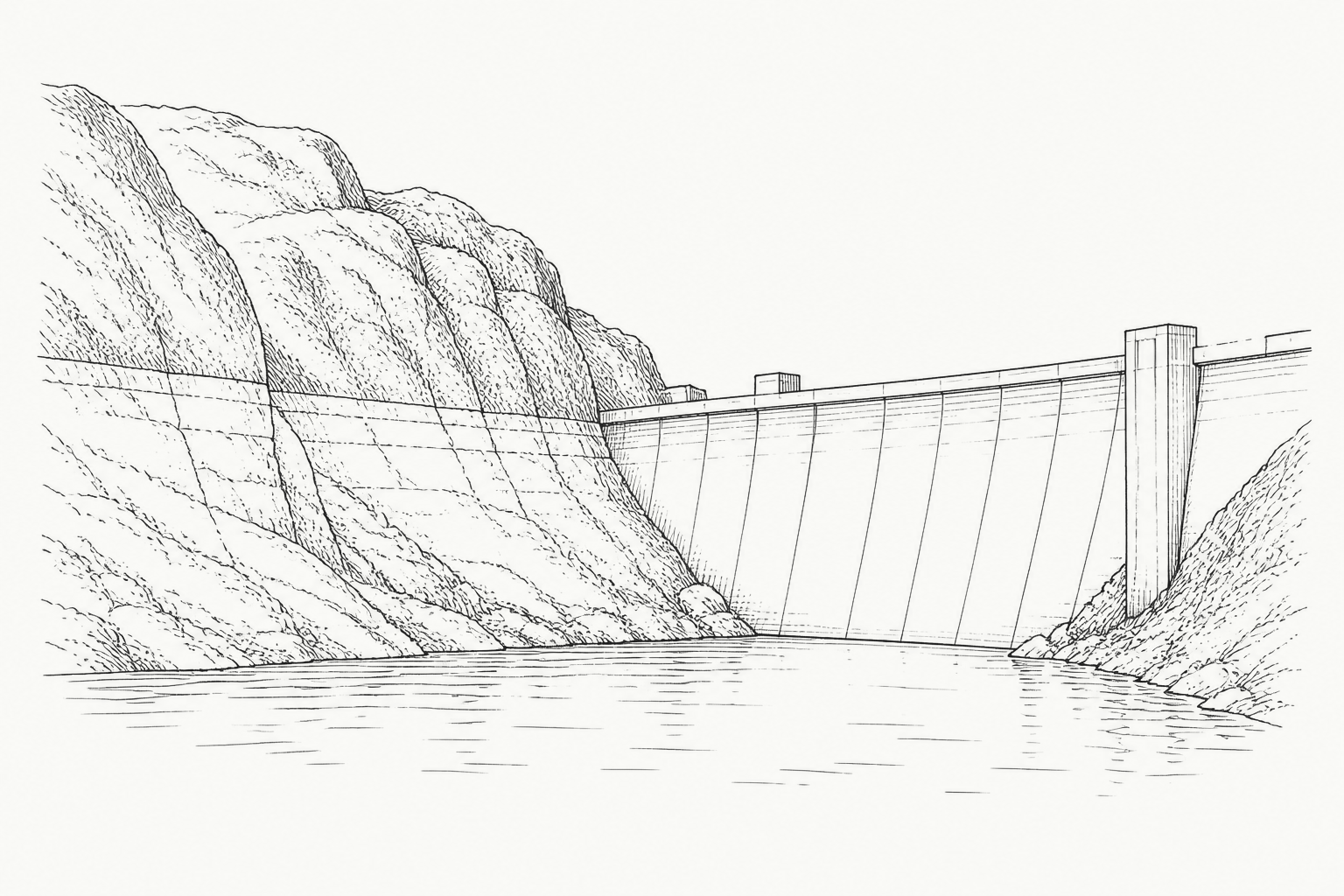
The framework also allows annual releases from Lake Powell of between 5 million and 12 million acre-feet, CBS News reported, a range meant to accommodate both wet and dry years. Federal forecasts show Lake Powell's level could fall by year-end below the point at which the nearby Glen Canyon Dam can spin its turbines, cutting off hydropower that CBS said serves homes, businesses and irrigation systems across the region.
Interior's case
"This framework provides the flexibility to respond to changing hydrologic conditions while preserving the opportunity for the Basin States to continue working toward durable, consensus-based solutions," Interior Secretary Doug Burgum said in the department's release. Burgum added that "The Department has a responsibility to ensure the Colorado River system remains reliable and resilient for the millions of Americans, communities and industries that depend on it."
Who gets hit
The reductions would be the largest to date in the Lower Basin and could translate into higher water prices, more reliance on groundwater, farmland taken out of production and, in some places, conservation mandates where none have existed before, the AP and CBS reported. Tribal nations, Mexico, farmers, wildlife and industry all draw on the river, whose flows CBS said have been depleted by years of overuse combined with rising temperatures and drought.
The other view
State officials, agricultural users, tribal nations and Republican lawmakers in the affected states were not quoted in Friday's Associated Press or CBS News accounts of the proposal, and no right-of-center outlet had published its own report by press time. Neither wire indicated whether the seven basin states had signaled their positions before the release, though both noted that the plan follows years of failed negotiations among them.
Federal officials plan to finalize the proposal in the coming days, ahead of the end-of-2026 expiration of the operating rules that currently govern the river.