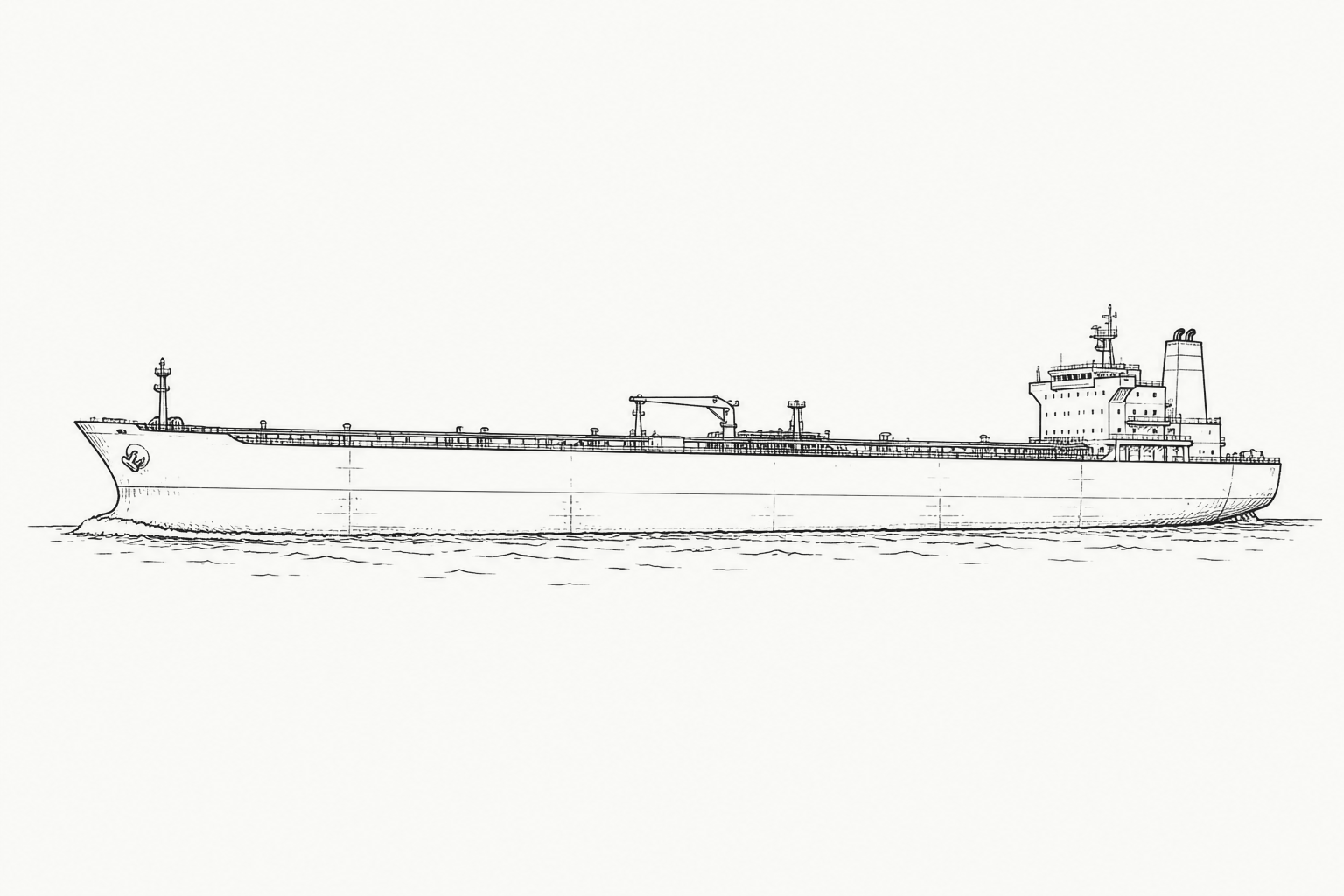
Oil prices retreated from above $100 a barrel Friday for the first time in a week, even as a widening two-front Middle East war brought Houthi missiles into southern Saudi Arabia and left the U.S. Navy disabling a tanker running its blockade of Iranian ports.
Brent crude fell 3.9 percent to $96.78 after touching $102 intraday Thursday, the international benchmark's first daily loss since it reclaimed the $100 mark that traders had watched all month. The pullback followed the successful passage through the Bab el-Mandeb strait of two Chinese-chartered supertankers, a signal that Yemen's Iran-backed Houthis had not yet locked down the passage they threatened to close.
The retreat did little to loosen the vise on stocks. The S&P 500 rose 3.68 points to 7,411.98, barely budging in a session that left the index with a second consecutive losing week — the first such stretch since March. The Dow Jones Industrial Average added 235.60 points, or 0.5 percent, to 51,947.25. The Nasdaq fell 161.87 points, or 0.6 percent, to 24,975.82, weighed by a 7 percent drop in Micron Technology and a 2.7 percent decline in Broadcom. The yield on the 10-year Treasury eased to 4.68 percent from 4.71 percent.
Two fronts
Within hours of the New York close, the Houthis' Ansarollah media said on Telegram that a "Yemeni missile strike" had caused fires in the Saudi city of Jizan, and Saudi authorities issued emergency alerts for the province. The barrage answered Friday air strikes by Riyadh on Houthi positions in the Yemeni port of Hodeida and on nearby Kamaran island, itself a response to Houthi tanker strikes earlier in the week that first pushed Brent back above $100.
At the northern end of the theater, U.S. Central Command said it had fired on and disabled a tanker in the Gulf of Oman attempting to evade the American blockade on Iranian ports, the second commercial vessel Washington has stopped since reimposing the blockade this month. "We disabled the tanker after the crew attempted to run the blockade at least four times prior," Navy Capt. Tim Hawkins, the CENTCOM spokesman, told Agence France-Presse. "The crew was repeatedly warned, didn't comply, and US forces on scene disabled the ship after firing into its engine room."
Saturday morning brought the first overnight in two weeks without a U.S. air raid on Iran, according to the BBC. A delegation from Oman, which controls the southern coastline of the Strait of Hormuz, arrived in Tehran for talks on reopening the passage, Iran's state IRNA news agency reported.
The Street's read
The Federal Reserve meets next week, and CME FedWatch put the probability of a rate increase at that meeting at nearly 38 percent, as traders weighed the pass-through from oil and a fresh round of Trump administration tariffs on nearly all U.S. imports that took effect Friday. A gallon of gasoline costs $4.10 nationally, according to AAA, nearly a dollar higher than a year ago.
"If escalation continues and the Strait of Hormuz remains closed, the impact will land on an energy market with far less resilience than in the spring," Theodore Bunzel, head of geopolitical advisory at Lazard Asset Management, wrote in a report cited by the Associated Press. The buffers that cushioned crude at the outset of the Iran war — including U.S. strategic reserves — have been drawn down over five months of fighting.
Not every earnings print softened the tape. American Express fell 4.3 percent despite a jump in quarterly profit, as investors questioned the card issuer's rising spending to retain wealthy customers.
Counterpoint
The center-wire sources driving Friday's tape carried no direct commentary from Tehran on the Oman-mediated talks, and neither Saudi authorities nor Iranian officials had confirmed the extent of damage in Jizan by press time. The oil market's own signal was mixed: physical crude retreated, but only after the war visibly shifted from anticipation to fact, with tankers already burning off the Arabian Peninsula.
Ahead
President Trump is scheduled to meet Israeli Prime Minister Benjamin Netanyahu at the White House on Tuesday. Defense Secretary Pete Hegseth and Joint Chiefs Chairman Gen. Dan Caine are set to attend a U.S.-U.K. conference in London next week on the Strait of Hormuz, first reported by Axios. The Fed's rate decision follows.