Taiwan Semiconductor Manufacturing Co. pledged an additional $100 billion to expand its Arizona operations and reported a 77 percent jump in second-quarter net profit to a record $22 billion, twin announcements Thursday that cement the world's largest contract chipmaker as the fulcrum of both the global artificial-intelligence buildout and President Trump's drive to shift advanced manufacturing onto U.S. soil.
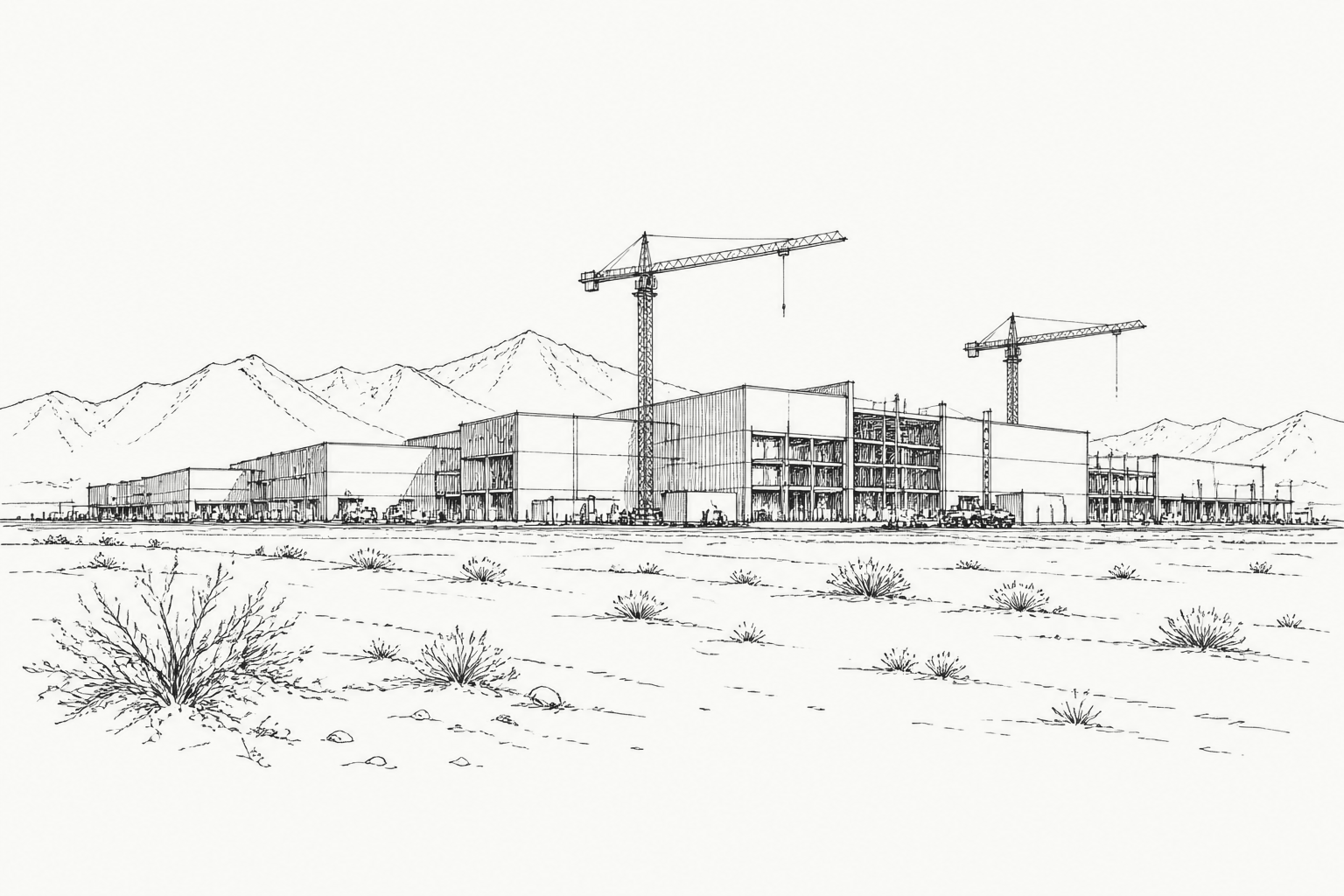
The new commitment lifts TSMC's total U.S. investment to $265 billion and will fund what Chief Executive C.C. Wei described as four additional Arizona plants dedicated to two-nanometer mass production and advanced packaging, on top of eight fabs already being built or planned. It arrives six months after Washington and Taipei cut a January deal reducing U.S. tariffs on Taiwanese goods to 15 percent in exchange for hundreds of billions of dollars in inbound investment.
Behind the earnings
Net income for the three months ended in June reached NT$706.56 billion, roughly $22 billion, up from $12.4 billion a year earlier and 23 percent higher than the previous quarter. Revenue climbed 36 percent from a year earlier to NT$1.27 trillion, or $39.45 billion, edging past the LSEG SmartEstimate of NT$1.264 trillion. It was TSMC's fifth consecutive quarterly record.
Advanced nodes carried the quarter. Chips built on 7-nanometer processes and below accounted for 77 percent of wafer revenue, with the 5-nanometer node contributing 33 percent and the 3-nanometer node 30 percent. High-performance computing, the category that houses AI accelerators, supplied 66 percent of total revenue, followed by smartphones at 22 percent and Internet of Things products at 5 percent.
"AI related demand continues to be extremely robust," Wei said on the earnings call.
The Arizona pledge
Wei said the additional $100 billion would likely fund four new fabs in Arizona but declined to set a timeline, tying construction to the "market situation". The plants will add capacity for two-nanometer chips and advanced packaging, both bottlenecks for customers including Nvidia, Apple and Broadcom.
"This is to build several or more semiconductor logical wafer fab for two nanometer MP [mass production] technologies, as well as advanced packaging fabs to support the strong multi-year demand from our leading U.S. customers," Wei said.
Commerce Secretary Howard Lutnick attributed the pledge to the January trade deal and to White House pressure, saying "President Trump's leadership is driving companies to invest in American manufacturing." Lutnick added: "TSMC's announcement of an additional $100 billion investment following our historic deal on trade and investment with Taiwan will create tens of thousands of American jobs and bring advanced semiconductor manufacturing back to America."
Trump has previously credited his tariff threats for pulling TSMC's earlier Arizona expansion across the Pacific.
Capex and the stock
Chief Financial Officer Wendell Huang raised TSMC's 2026 capital-spending budget to a range of $60 billion to $64 billion, and forecast third-quarter revenue of $44.6 billion to $45.8 billion at operating margins of 56 to 58 percent. TSMC shares rose 1.23 percent Thursday and have gained roughly 58 percent this year, giving Asia's most valuable company a stock-market capitalization near $2 trillion.
Thursday's results follow Monday's disclosure that TSMC's June revenue rose 67.9 percent from a year earlier, a monthly print that had fed expectations of an outsized quarter.
The other side
TSMC's grip on leading-edge production has left it with room to raise prices it is choosing not to use, said Sravan Kundojjala, an analyst at SemiAnalysis. "Net, they have far more pricing power than they are currently exercising," Kundojjala said, arguing the company is being deliberate to keep customer relationships intact.
The memory-chip boom that has followed AI investment is also cutting the other way, Kundojjala said: "Consumer and price-sensitive end markets took a hit from rising memory prices and tight component supply." That squeeze threatens the non-AI half of TSMC's business even as its data-center revenue accelerates. Wei's refusal to date the four new Arizona fabs underscores that the pledge, in dollar terms, arrives ahead of any ground being broken.
TSMC's next monthly revenue disclosure is due in mid-August, and Wei told analysts the pace of Arizona construction will track customer orders for the two-nanometer node now ramping in Taiwan.