President Trump ordered the U.S. Navy to resume its blockade of Iranian ports at 4 p.m. Eastern time Tuesday and announced a 20 percent U.S. toll on all cargo shipped through the Strait of Hormuz, escalating a campaign that also produced the first combat use of American sea drones over the weekend.
The moves mark a sharp shift in how Washington intends to police the world's most important oil corridor. Roughly one-fifth of global crude passed through Hormuz before U.S. and Israeli strikes on Iran on Feb. 28. Brent crude jumped 9.6 percent Monday to settle above $80 a barrel and pushed higher in Asian trade Tuesday. Monday's escalation follows Iran's declaration a day earlier that the strait was closed to all shipping.
The blockade
U.S. Central Command said its forces would "resume blockading maritime traffic entering and exiting Iranian ports" from 20:00 GMT Tuesday, and that traffic in regional waters "not violating the blockade" would continue to flow. Trump wrote on Truth Social that the United States would from now on be "THE GUARDIAN OF THE HORMUZ STRAIT" and would be reimbursed "at the rate of 20% on all cargo shipped" for policing the waterway. Treasury Secretary Scott Bessent had, as recently as May, called on all nations to reject any Iranian tolls on the strait.
The sea drones
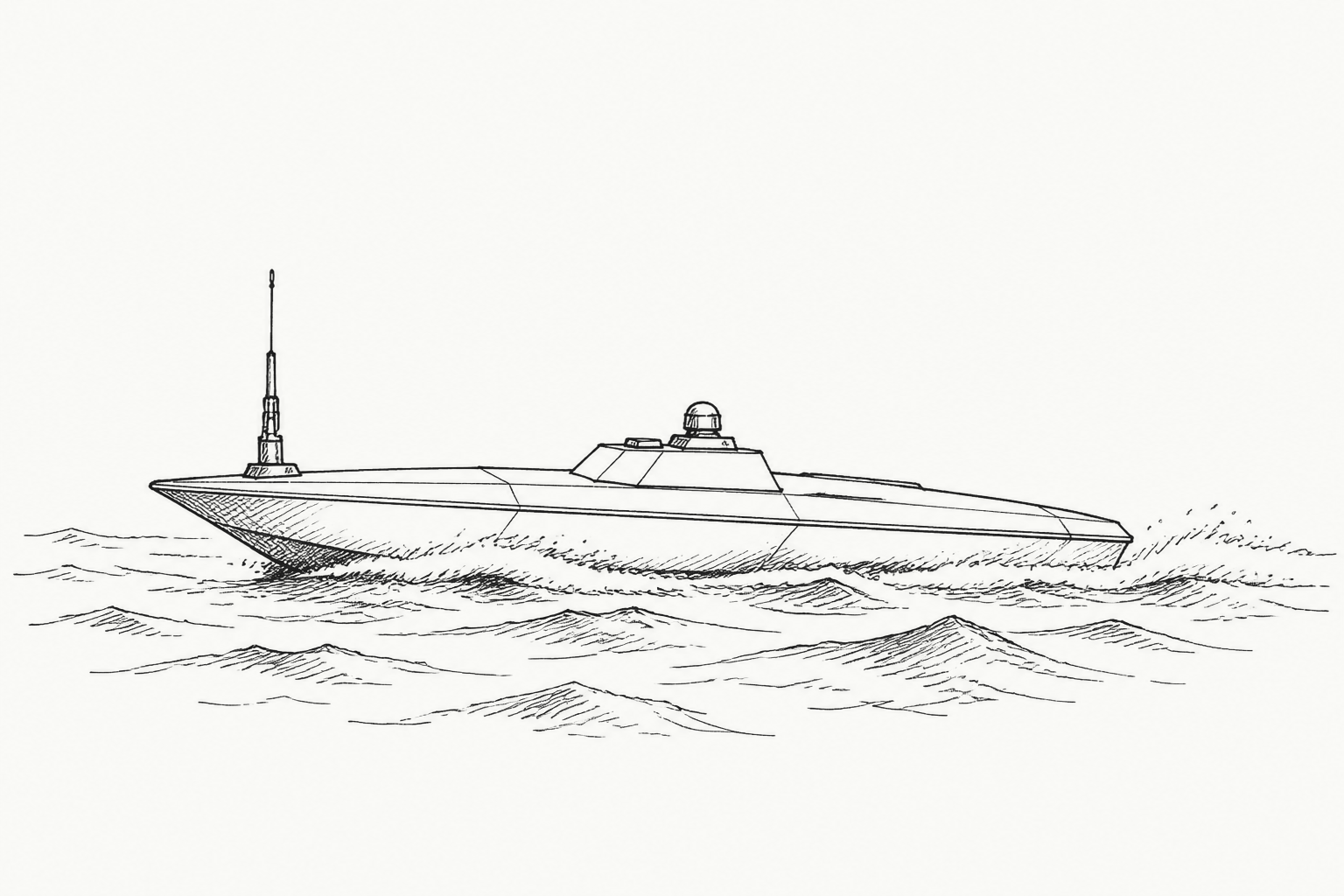
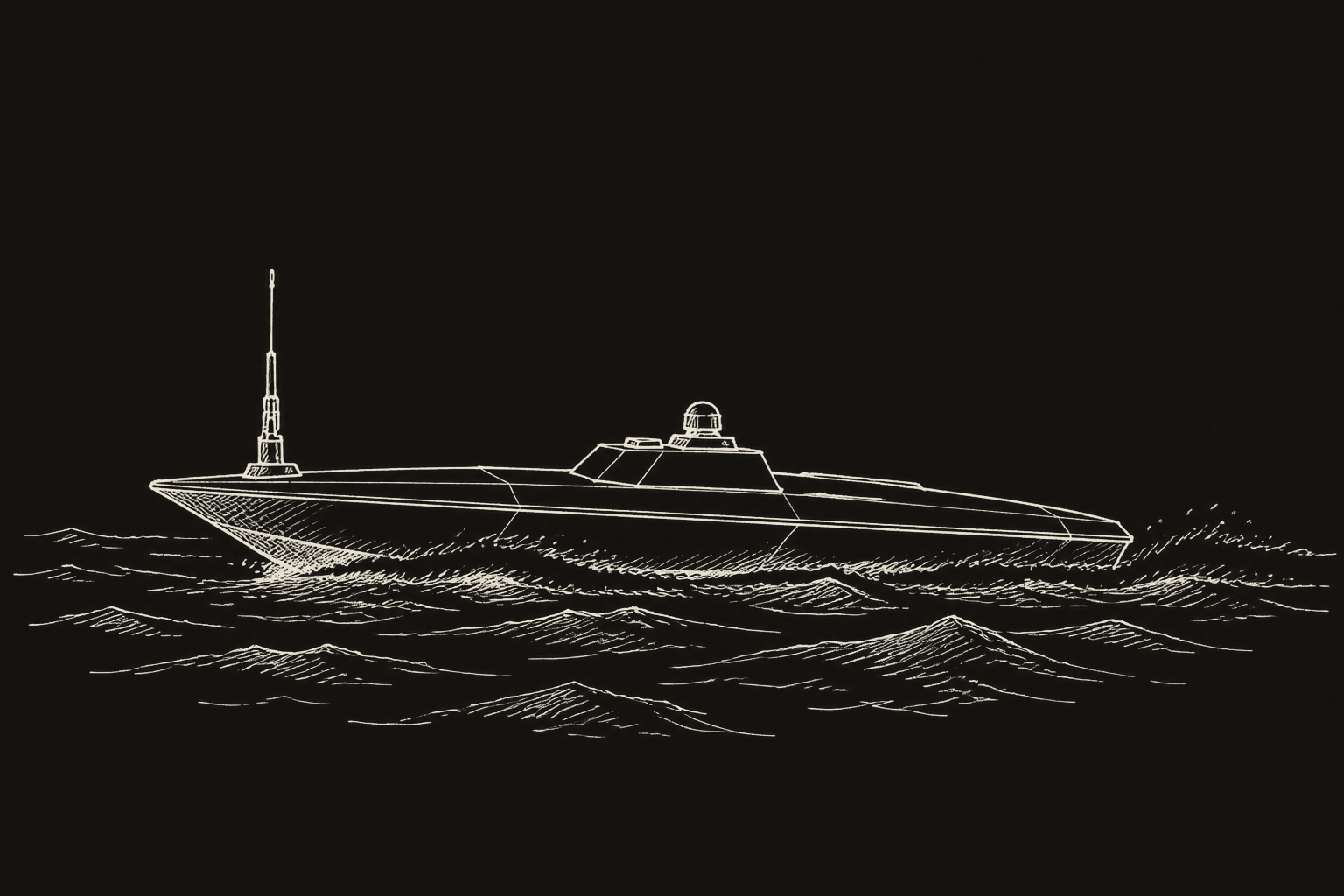
CENTCOM disclosed Monday that U.S. forces struck a submarine and ship maintenance facility at Iran's Bandar Abbas Naval Base on Sunday using multiple one-way attack sea drones, the first combat use of the weapon by the Navy. Texas-based Saronic identified the platform as its 24-foot Corsair, which carries up to 1,000 pounds of payload more than 1,000 nautical miles. The company won a $392 million Navy production contract in December 2025. Video released by CENTCOM showed three drones speeding toward a raised dock before detonating.
Iran's response
Iran's Islamic Revolutionary Guard Corps struck two UAE-flagged tankers in the strait late Monday, killing one Indian crew member and wounding eight others, six of them Indian and two Ukrainian. The UAE Ministry of Defense called the attack "brazen" and a breach of international law. The IRGC also hit U.S. facilities in Bahrain, including al-Juffair, home of the Fifth Fleet; struck Patriot systems, fuel tanks and ammunition depots at U.S. sites in Kuwait; and fired ballistic missiles at a U.S.-used airbase in Jordan.
The shipping industry and the United Nations maritime agency rejected the toll plan. Hapag-Lloyd called it "fundamentally wrong" to charge for passage through international waters. BIMCO, the world's largest shipping association, warned the fee would further discourage transits already at a fraction of pre-war volumes. An International Maritime Organization spokesperson told Reuters there was "no legal basis through which to introduce mandatory tolls simply to transit through a strait". The White House and CENTCOM counter that the fee compensates the United States for policing the corridor and that the Bandar Abbas strike had "degraded Iran's ability to continue attacking commercial shipping".
The blockade takes effect at 4 p.m. Eastern Tuesday. Trump told reporters at the White House that a deal with Iran was still possible.