Russia hit Kyiv overnight into Thursday with 74 missiles and 496 drones, striking 33 locations across the Ukrainian capital and killing at least 18 people in what Mayor Vitali Klitschko called the "most massive attack" on the city since Moscow's full-scale invasion in February 2022.
The 11-hour barrage marks the sharpest escalation of Russia's air war since a Ukrainian drone campaign began systematically hitting Russian oil refineries this spring, forcing President Vladimir Putin to publicly acknowledge a fuel shortage on Sunday. Moscow is now answering deep strikes on its energy infrastructure with the heaviest bombardment of Kyiv residential districts of the war.
Inside the barrage
The attack opened with a drone strike on Kyiv's historic quarter that set a hotel on fire, followed at 01:00 by dozens of ballistic and cruise missiles, another wave of cruise missiles at 03:00 and a swarm of drones through dawn, the BBC reported. Ukraine's air force said 25 ballistic missiles and 12 drones penetrated air defenses.
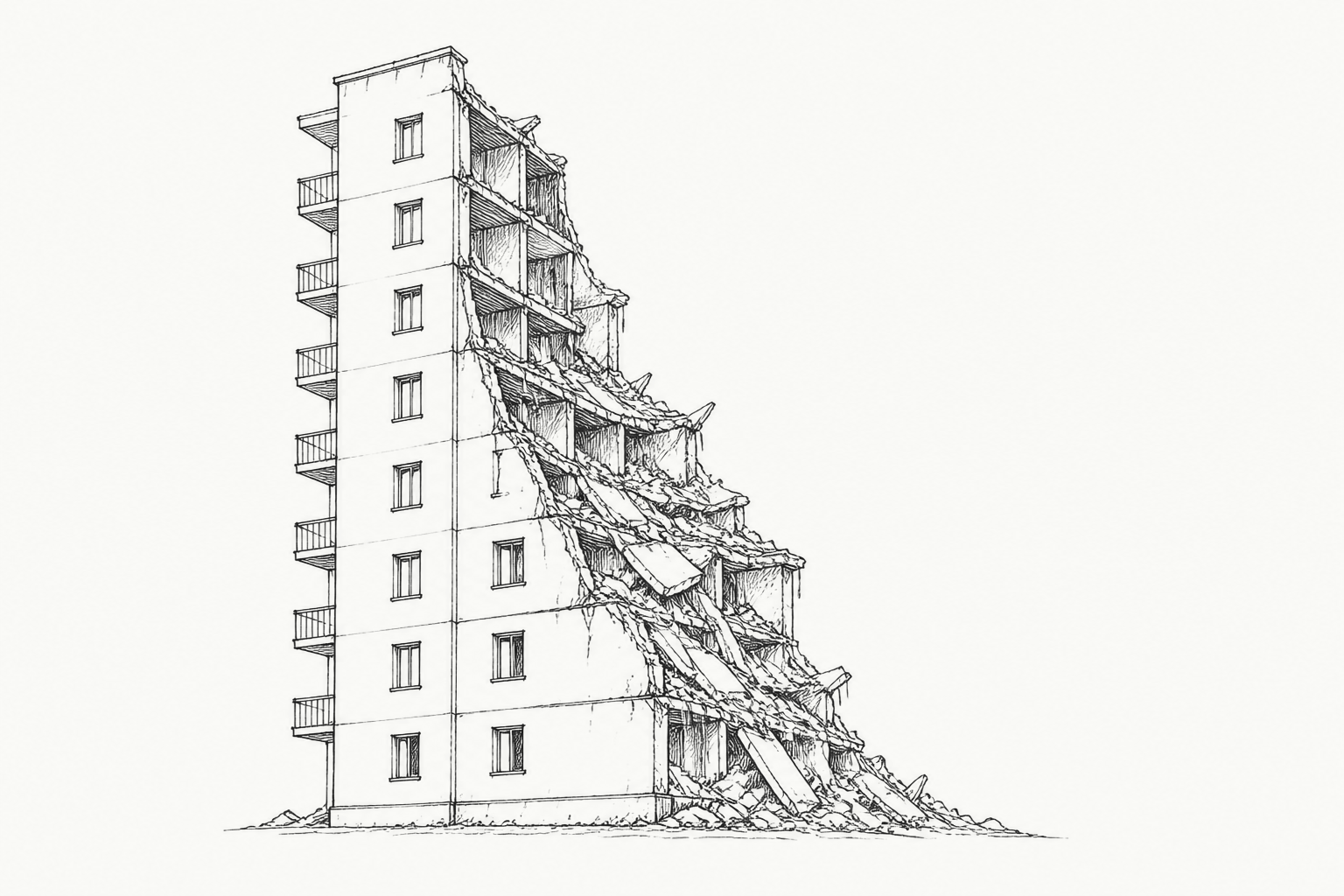
Interior Minister Ihor Klymenko said 20 residential buildings were damaged. Six floors of a nine-story block in the Darnytskyi district collapsed, and Klitschko said rescuers were searching for a 15-year-old girl and her family beneath the rubble. An ambulance station was among the sites hit, damaging nine ambulances. Klitschko put the wounded at about 90 and declared Friday a day of mourning.
NATO on alert
Poland scrambled fighter jets and put ground-based air defenses on alert, saying the measures were "of a preventive nature" and aimed at protecting airspace near threatened regions. Finland briefly imposed an "aviation restriction zone" over the eastern Gulf of Finland before lifting it, CNBC reported.
The other war
Kyiv has stepped up long-range drone strikes on Russian oil refineries, military facilities and major cities including Moscow and St. Petersburg, a campaign Ukraine's Defense Ministry said on July 1 is "depriving the enemy of resources for waging war." The strikes forced Putin on Sunday into a rare admission that Russia faces a fuel crunch. President Volodymyr Zelenskyy signed off on a 40-day operation designed to pressure the Kremlin into ending the war and cut short a trip to Ireland to return home before Thursday's attack. He said Wednesday evening that Putin had been preparing a large-scale strike "for some time."
"Russia's head is completely refusing to end the war," Zelenskyy wrote on social media, adding that Kyiv had conveyed through official and unofficial channels that it was ready for "meaningful negotiations."
Moscow's account
Kremlin spokesman Dmitry Peskov, asked about European Union threats of new sanctions, told reporters that Russia would "continue to increase pressure on the Kyiv regime in order to achieve our set goals." Russia's Defense Ministry said its strikes hit military-industrial facilities and fuel and energy complexes in Kyiv, along with military airfields in the Dnipropetrovsk, Poltava, Cherkasy and Chernihiv regions, and described the operation as retaliation for Ukrainian "terrorist attacks" on Russian civilian infrastructure.
Ukrainian Foreign Minister Andrii Sybiha rejected that framing as "immoral," saying Ukraine was exercising its right to self-defense under Article 51 of the U.N. Charter. "In this war, there is an aggressor and a country defending itself," Sybiha said. Residents interviewed by the BBC at wrecked apartment blocks in the Darnytskyi district also dismissed Moscow's account. "They started this war. This is a residential area. And they targeted it," one man, identified as Oleksiy, told the broadcaster.
Zelenskyy asked Washington to grant Ukraine licenses to manufacture Patriot missiles, calling additional air-defense supplies "an absolute necessity." EU officials said the bloc would weigh further sanctions against Moscow.