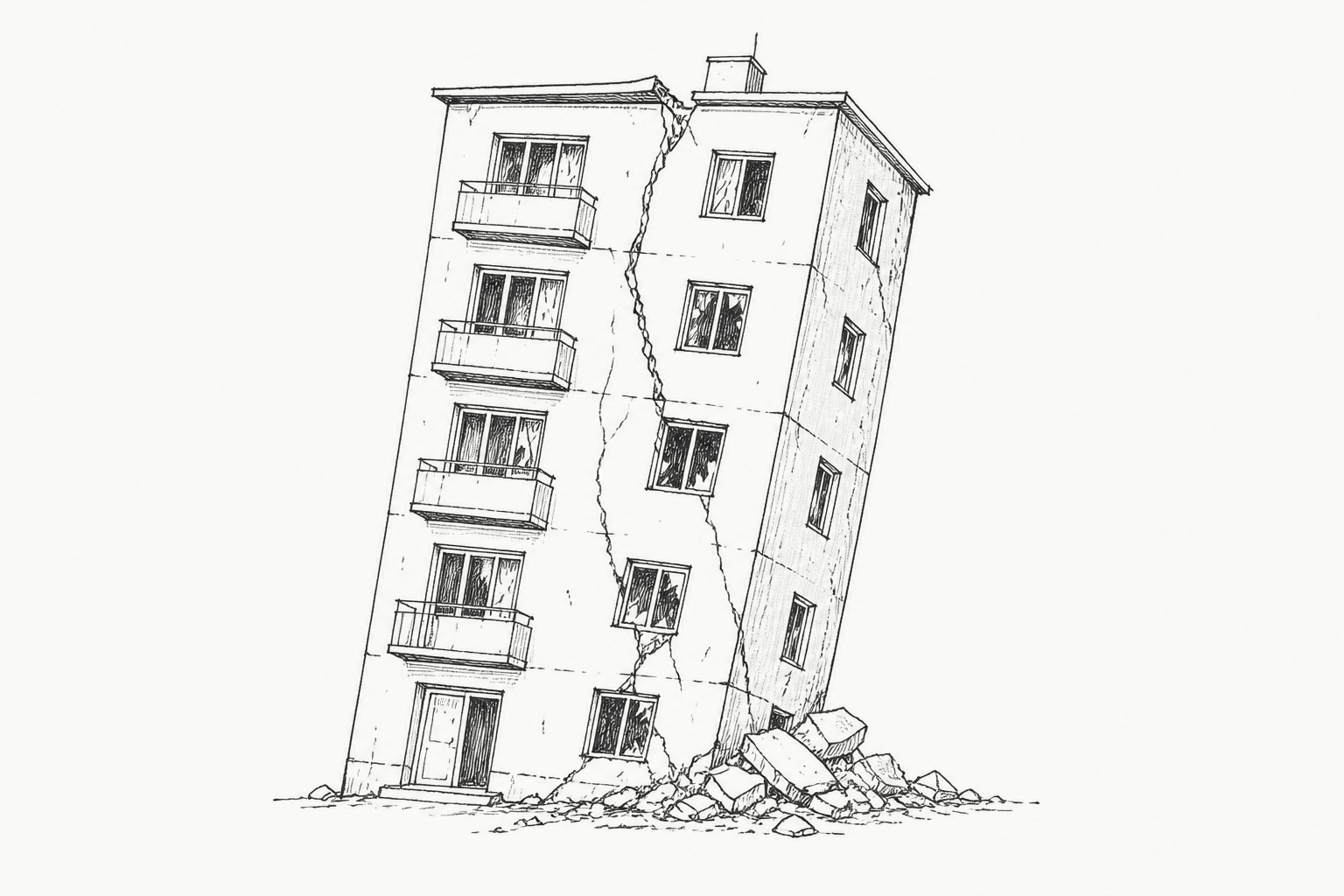
The official death toll from Wednesday's twin earthquakes in Venezuela climbed to about 235 late Thursday, with at least 4,300 injured, Health Minister Carlos Alvarado told state media, as rescue teams from at least 10 countries converged on the coastal state of La Guaira and a senior U.S. Marine general arrived in Caracas to oversee Washington's relief effort.
The new figures, more than 70 above Wednesday's initial tally, lag the U.S. Geological Survey's PAGER model, which puts potential fatalities at between 10,000 and 100,000. Jorge Rodriguez, president of Venezuela's National Assembly, said late Thursday that about 200 people remained trapped beneath roughly 250 damaged or destroyed structures. A missing-persons website logged more than 50,000 names; 8,000 had been located.
U.S. command arrives
Marine Maj. Gen. Kevin J. Jarrard of U.S. Southern Command landed in Caracas late Thursday to coordinate the American response, the military said. Secretary of State Marco Rubio said Washington would deploy search and rescue teams while the Pentagon provides logistics and works to reopen Simon Bolivar International Airport, which was shuttered by quake damage. The State Department said it was mobilizing $150 million in aid, including a $100 million contribution to a U.N. humanitarian fund, and the Trump administration eased sanctions to authorize relief-related transactions.
"We have a whole-of-government response," Rubio said. "It'll be big; it'll be fast; and it'll be effective."
International convoy
A Chilean team and 80 Swiss specialists with eight search dogs arrived at a military base in Aragua state early Friday, CBS News reported. Two Turkish flights with military, medical and rescue personnel were set to leave Istanbul on Friday, and rescuers from El Salvador, the Dominican Republic and Mexico were already on the ground. Brazil dispatched 36 firefighters and eight support staff. Qatar, Spain, Portugal, France and Canada pledged further assistance.
"No country is prepared to provide the response that's needed," Dominican Air Force Major Carlos Olivares said. "That's what neighboring countries are there for."
Acting president
Acting President Delcy Rodriguez, who took office in January after U.S. forces seized Nicolas Maduro from his presidential compound, visited the hard-hit La Guaira town of Macuto on Thursday. Interior Minister Diosdado Cabello said about 70,000 families in the state had been affected and more than 100 buildings had collapsed. Rodriguez announced a $200 million reconstruction fund and appealed to Venezuelan businesses to release heavy construction equipment for rescue work.
"We hope to rescue as many living people as possible," Rodriguez said.
Race against the clock
The operational challenge is steepening as the 72-hour survival window narrows. Bill Murphy, a professor of engineering geology at the University of Leeds, told Al Jazeera that "three days without water is normally fatal" for victims trapped in rubble. Rodriguez said authorities had recorded at least 20 aftershocks within five hours of the main shocks; Vashan Wright, a geophysicist at the University of California San Diego, told Al Jazeera there is a greater than 90 percent probability of a magnitude 5 aftershock in the coming week, threatening already-weakened structures.
Hospitals reached capacity by Thursday evening, Alvarado said, and the closure of Caracas's main airport has slowed the inbound aid pipeline. In downtown Caracas, hundreds spent a second night in parks and parking lots, wary of returning to buildings that survived the first jolt.
The Pentagon-led airlift, the Swiss and Turkish flights and the U.N.-coordinated urban search teams are all racing the same clock: by Saturday evening, the window in which most trapped survivors are typically pulled alive will have closed.