President Trump on Wednesday told reporters at the Group of Seven summit in France that the memorandum of understanding with Iran is "not final" and that he would resume air strikes if Tehran does not comply, a hedge two days before the deal is scheduled to be signed in Geneva. Hours earlier, sanctioned Iranian oil tankers crossed the U.S. Navy blockade line in the Strait of Hormuz for the first time in two months, and Brent crude fell to $78.19 a barrel, its lowest level since March 3.
The Friday signing at Switzerland's Burgenstock resort is meant to extend a ceasefire for 60 days and frame longer talks on Iran's nuclear program and on sanctions relief.
What Trump said
"If I don't like it, we'll go back to shooting at them, dropping bombs on their head. If I don't like it, if they don't behave, we'll go right back to dropping bombs right smack in the middle of their head," Trump said in Evian, France, according to CBS News. The president also said the deal does not include immediate sanctions relief and that he would clarify the question later, a point at odds with reporting in The Wall Street Journal, cited by CBS and Al Jazeera, that a waiver on Iranian oil sales and related banking, transport and insurance services will take effect the moment the memorandum is signed.
Tankers move
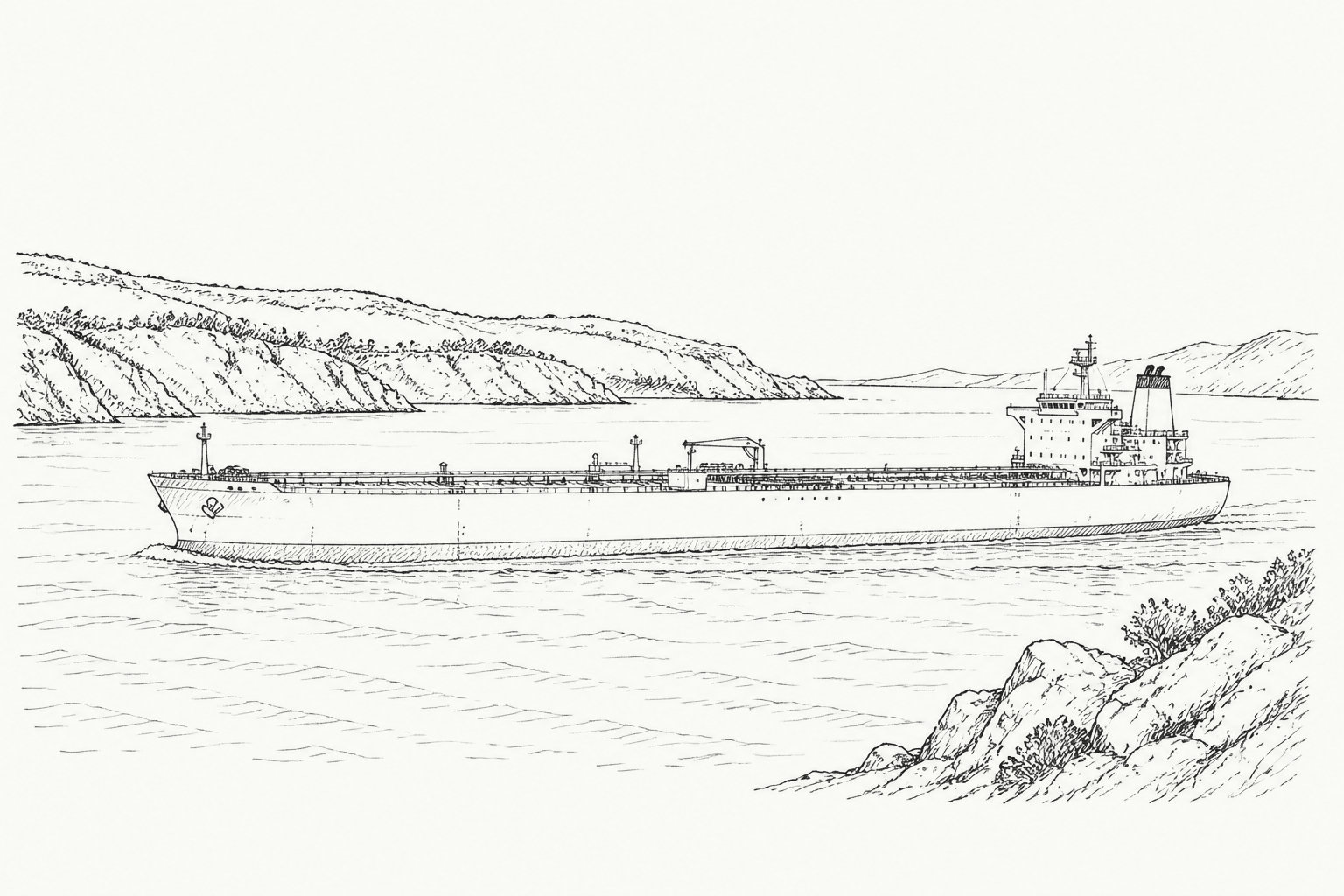
Five sanctioned Iranian vessels crossed the U.S. blockade line in the Gulf of Oman over the 24 hours through Wednesday morning, CBS reported, citing tracking data from MarineTraffic.com. The TankerTrackers monitoring service identified two National Iranian Tanker Company supertankers, the Diona and the Hero 2, carrying a combined 3.8 million barrels of crude, and a third NITC tanker, the Sonia I, with another 1 million.
Commercial traffic through the strait remains a trickle. CBS put the number of vessels transiting the chokepoint in the single digits, against a historic average of about 135 a day. "Due to lack of details and a history of overly optimistic reassurances, we believe the security situation for the shipping industry remains volatile, and we still consider it very risky for ships to commence transits at this point," Jakob Larsen, head of safety and security at the shipping association BIMCO, said Monday.
Oil and the market
Brent for August delivery slipped about 1 percent on Wednesday after losing roughly 5 percent on each of the previous two trading days. U.S. crude traded 1.1 percent lower at $75.21. Brent has given back $17 a barrel across four sessions and sits only about 7 percent above its level on the eve of the war on February 28.
Tamas Varga of PVM Oil Associates in London called the four-session drop "a discernible vote of confidence that the worst, at least as far as supply disruptions are concerned, is behind us." Vandana Hari of Vanda Insights in Singapore was more cautious, telling Al Jazeera the slide is "entirely sentiment-driven" and the market is "front-running the prospective reopening of the Strait of Hormuz."
The skeptics
The counterpoint to the G7's praise — the leaders called the agreement "an historic opportunity to prevent Iran from acquiring any nuclear weapon" — is coming from two directions. Sen. Lindsey Graham of South Carolina, a longtime Iran hawk, told CBS he was "pretty skeptical" after meeting with Defense Secretary Pete Hegseth. "I mean, I like the idea of opening the straits and ending the conflict," Graham said. "In terms of how the negotiations work long term let's wait and see. I reserve judgment, but I don't mind jumpstarting the process."
The second objection is in Lebanon. Israeli aircraft on Wednesday struck the Nabatieh al-Fawqa area and the outskirts of Kfar Tebnit, and a drone hit the town of Ansariyeh, Lebanon's National News Agency reported, even as Tehran insists the memorandum covers Lebanon. "Trump's agreement does not bind us," Israel's National Security Minister Itamar Ben-Gvir said. Iranian Foreign Minister Abbas Araghchi said Tuesday that any continued Israeli presence in southern Lebanon would violate the deal.
International Transport Workers' Federation general-secretary Stephen Cotton said the Friday ceremony would be "at best the beginning" of a process that, between mine-clearing and crew rest for stranded vessels, will take weeks to restore normal flows.