DUBAI — Three Indian seafarers were killed in a U.S. missile strike on an oil tanker in the Gulf of Oman, Indian officials said Thursday, as American forces launched a second straight night of attacks on Iran and Iranian missiles fell on Bahrain, Kuwait and an air base in Jordan that houses U.S. troops.
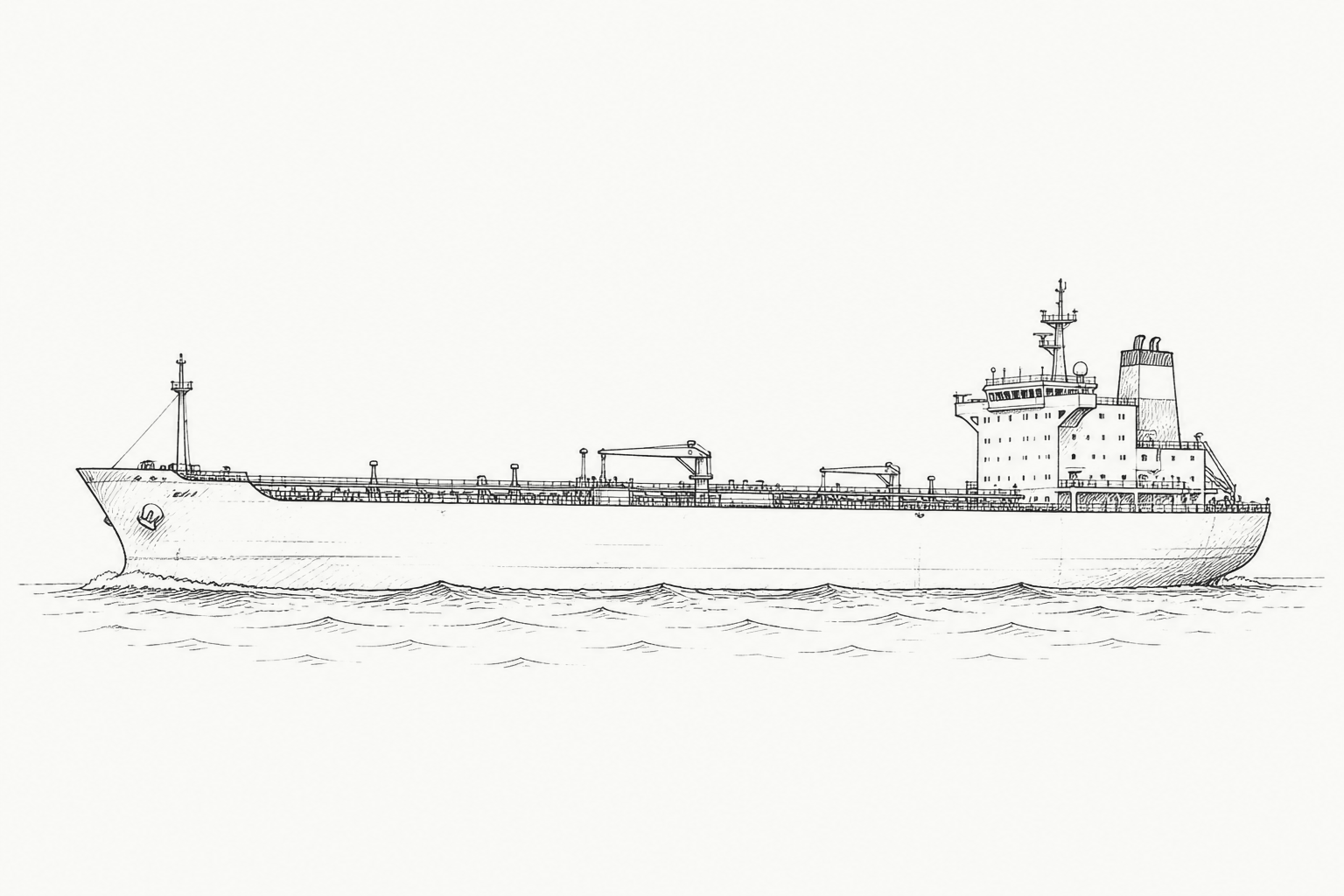
The deaths aboard the Palau-flagged Settebello — the first commercial mariners killed by a U.S. strike since the war began in February — opened a new diplomatic front for the Trump administration on a day when Iran declared the Strait of Hormuz closed, U.S. Central Command publicly denied it, and the United Nations nuclear watchdog passed a U.S.-backed resolution demanding Iran disclose its enriched-uranium stocks.
The tanker strike
India's Minister of Ports, Shipping and Waterways, Sarbananda Sonowal, said on X that two bodies had been recovered from the Settebello and a third sailor was confirmed dead. "This is a profound loss to our maritime family," Sonowal wrote. India summoned a senior U.S. diplomat in New Delhi to register what it called a "strong protest," according to CBS News.
U.S. Central Command had accused the Settebello of having "violated the ongoing blockade by attempting to transport oil from Iran" and said American forces fired into its engine room Wednesday to stop it. The Guinea-Bissau-flagged M/T Jalveer, hit Wednesday by two Hellfire missiles, was the third commercial vessel CENTCOM has targeted this week.
A second night of fire
U.S. Central Command said its second wave began at 5:15 p.m. Eastern on Wednesday and ended just before sunrise Thursday in Iran, targeting "Iranian military surveillance capabilities, communication systems and air defense sites." Explosions echoed over Tehran and over Bandar Abbas, the southern port on the Strait of Hormuz, NPR reported.
Iran's Islamic Revolutionary Guard Corps said it had fired 12 ballistic missiles at the Al-Azraq Air Base in Jordan and claimed to have destroyed the control center and "a large number of fighter aircraft," according to the semi-official Tasnim news agency. Jordan's military said its aircraft intercepted 20 incoming missiles and reported no injuries. Kuwait closed its airspace for several hours; Iranian state media said 18 targets were hit at Kuwait's Ali Salem and Ahmad al-Jaber bases and at Bahrain's Sheikh Issa base. Bahrain's Interior Ministry said an 11-year-old girl was injured by debris from a drone interception over Hamad Town.
A strait in dispute
Iran's military declared the Strait of Hormuz closed to all shipping after the strikes, warning that any vessel attempting to cross would be targeted. CENTCOM rejected the claim within hours, posting on X: "Commercial ships are continuing to transit in and out of the Strait of Hormuz tonight." President Trump said the U.S. military has been running a "secret mission" to shepherd tankers through the chokepoint and that more than 100 million barrels have moved through — about five days of pre-war volume, Semafor noted. Brent crude traded above $93 a barrel on Wednesday, up more than 25 percent since the start of the war.
At the International Atomic Energy Agency in Vienna, the 35-member board passed a resolution submitted by the United States, Britain, France and Germany demanding Iran provide "complete information on nuclear material inventories" and grant inspectors access. The vote was 21 in favor, with Russia, China and Niger opposed and 10 abstentions. Iran's ambassador, Reza Najafi, called the measure "counterproductive" and "politically motivated" and warned it would further complicate ceasefire talks.
Defense Secretary Pete Hegseth cast the bombing as leverage. "If we need to negotiate with bombs, we'll negotiate with bombs. And we're very good at it," he said. Fitch Ratings this week cut its global sovereign outlook to "deteriorating" from "neutral," citing the war's drag on growth, inflation and bond yields — a market read that, with Brent still climbing, suggests investors are pricing the conflict less as a shock than as a long grind.