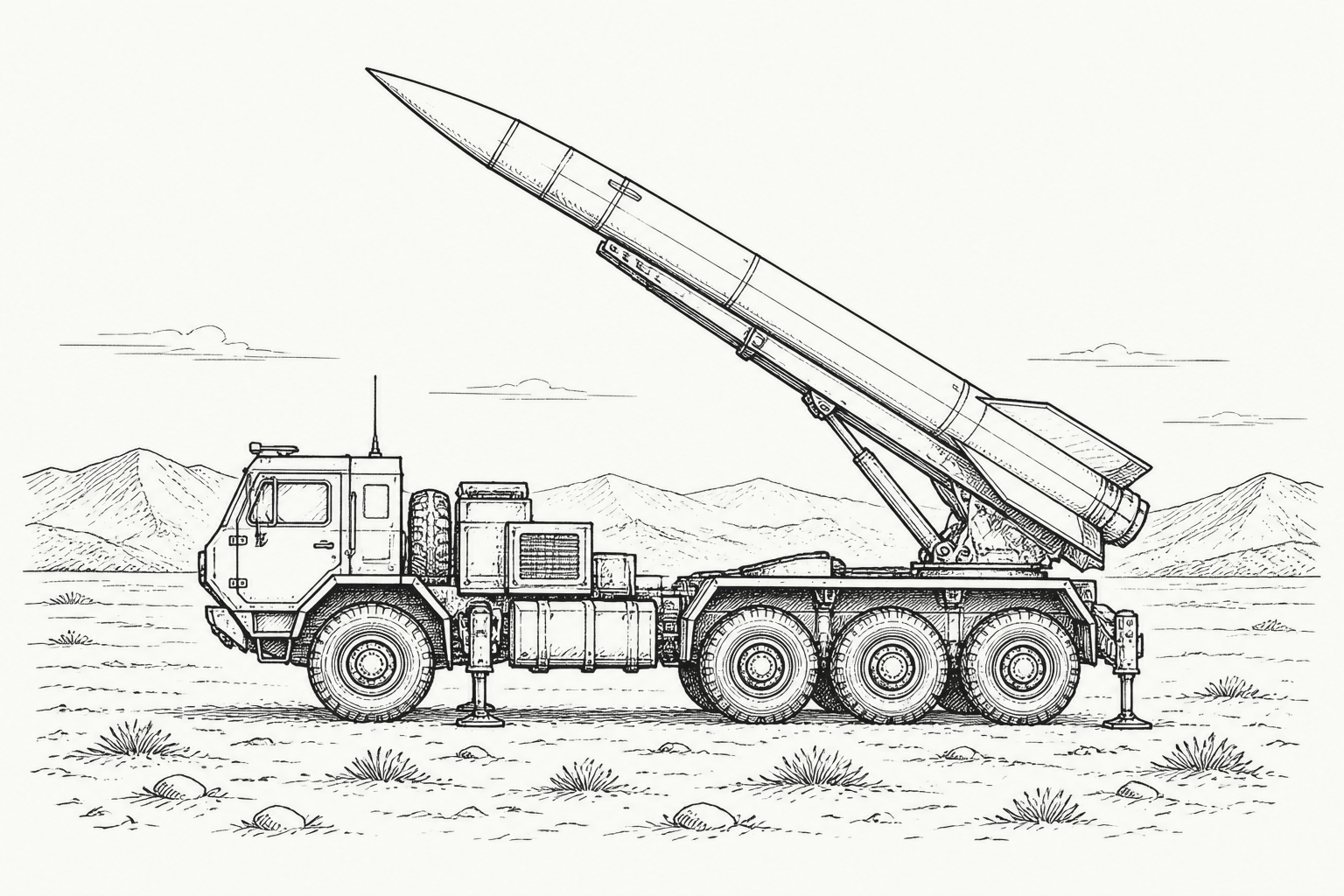
JERUSALEM — Iran fired missiles at Israel on Sunday for the first time since an April 8 ceasefire, and Israel struck military targets in central and western Iran hours later, the sharpest exchange between the two countries since the truce halted the U.S.-Iran war that began Feb. 28. President Trump publicly urged both governments to stop, posting on Truth Social on Monday that Israel and Iran must stop shooting and telling Fox News he had asked Israeli Prime Minister Benjamin Netanyahu to hold fire.
The exchange, which began Sunday after an Israeli airstrike on Beirut's southern suburbs and ran into a sixth Iranian salvo by Monday morning, marks the 100th day of the war and threatens a ceasefire that Washington has spent two months trying to extend into a broader settlement. Brent crude jumped above $97 a barrel after the strikes, and Iraq closed its airspace for 72 hours.
The White House said Sunday that Trump had been briefed on the escalation. A senior U.S. official told The Associated Press that Trump telephoned Netanyahu after the Iranian launches and believed he had convinced the prime minister to wait before retaliating. Israel struck anyway, several hours later, hitting what its military described as strategic air-defense systems and what both governments said included a petrochemical plant.
What happened
Iran's state broadcaster confirmed the Sunday launches and the country closed its western airspace. Israel's military said its defenses intercepted the incoming missiles and that multiple explosions were heard in the north. Iran's Revolutionary Guard said it had targeted two military bases in Israel and named the operation Nasr, or "Victory." Israel and Iran both said Israel hit an Iranian petrochemical plant, which Al Jazeera placed in Mahshahr in southwestern Iran. The Israeli air force said it had completed "an extensive strike against strategic defence systems."
Brig. Gen. Effie Defrin, an Israeli military spokesman, said "Iran has made a grave mistake." A Revolutionary Guard statement carried by PBS NewsHour warned: "Should these acts of aggression be repeated, the responses will be broader in scope and will encompass all American and Zionist targets throughout the region."
Iran's foreign ministry put the blame on Washington. Spokesman Esmaeil Baqaei told reporters in Tehran that "the actions of the Zionist regime in the region cannot be separated from U.S. policies," adding that no one outside Iran believed the Israeli strikes had not been coordinated with Washington.
The Houthi front
Yemen's Houthis, who had largely stayed quiet since April, fired a missile at Israel on Monday and reimposed a ban on Israeli-linked shipping. "We declare a complete and total ban on Israeli maritime navigation in the Red Sea," the group's armed forces said in a statement, their first claimed attack on Israel since early April. The announcement raises the prospect of fresh disruption on a route that had begun to normalize after the spring truce.
The U.S. Central Command, which has been enforcing a blockade of Iranian ports, said its forces "remain vigilant and ready" but did not announce new strikes overnight. The U.S. Embassy in Israel directed employees and family members to shelter in place.
What Trump said
Trump, in a Fox News interview that aired Sunday, addressed Iran's leadership directly: "What I would suggest to Iran: You've shot your missiles, that's enough … Get back to the table and make a deal." In a separate Financial Times interview, he said the flare-up would not derail indirect negotiations Washington and Tehran have been conducting through Pakistani and Qatari intermediaries. Asked about his relationship with Netanyahu, Trump told the paper that he, not the Israeli prime minister, was calling the shots.
Israel's public broadcaster, Kan, said Trump had told it he did not think Israel needed to respond further. Israel responded anyway. PBS NewsHour reported Trump as saying the Israeli strikes on Beirut earlier Sunday had not been coordinated with Washington and that he was "not happy about it."
Netanyahu, who faces reelection later this year, had not commented publicly on the missile exchange by Monday morning and was scheduled to convene a security cabinet meeting at 11 a.m. local time, Israeli media reported.
The counterpoint
The body-tier reporting reviewed for this edition skewed center and lean-left. Beyond Trump's posts and on-the-record cable interviews, administration officials' public framing — and the Netanyahu government's case for striking Iran over Trump's stated preference — was not represented in the wire and broadcast accounts available at deadline. Far-right Israeli National Security Minister Itamar Ben-Gvir wrote on X that "Tehran must burn," a line carried by Al Jazeera but not echoed by senior cabinet officials on the record.
Sunday's developments follow Trump's vow over the weekend to remove Iran's stockpile of highly enriched uranium with or without a deal, made as Iranian missiles struck Bahrain and Kuwait. The new fighting is the first direct state-on-state exchange between Israel and Iran since the April truce; the Gulf strikes had been a U.S.-Iran fight playing out around, not through, the original belligerents.
The next test is whether Israel's cabinet authorizes a second round or accepts Trump's hold. Iran's foreign minister, Abbas Araghchi, spent Monday calling counterparts in France, Qatar, Saudi Arabia, Britain, Egypt and Turkey, along with Pakistan's army chief, Iran's state TV said.