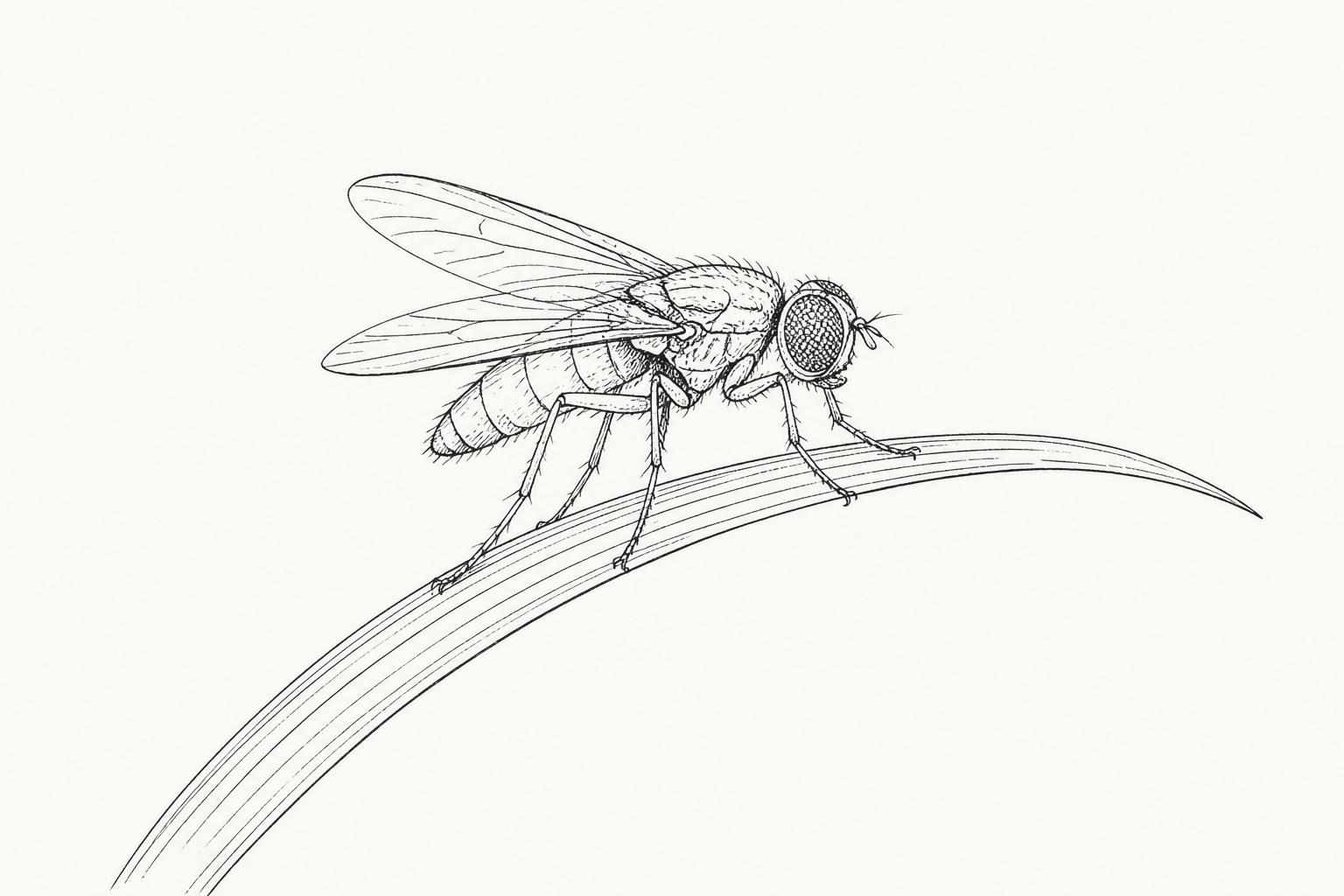
The U.S. Department of Agriculture on Wednesday confirmed that a flesh-eating New World screwworm had infested a three-week-old calf in Zavala County, Texas, the first detection of the parasitic fly inside the United States in decades. Investigators found the larvae in the animal's umbilical area on a cattle ranch in La Pryor, about 50 miles from the Mexican border.
The finding moves a pest that ranchers spent decades pushing out of North America back across the Rio Grande and puts the U.S. cattle industry on alert as breeding season runs. USDA said it was setting up a 12-mile "infested zone" around the detection site, imposing quarantines, adding traps along the border and standing up an Incident Command Team with the Texas Animal Health Commission.
How it got here
The Texas case follows a steady northward march. The screwworm was detected last week in a five-year-old goat in Mexico's Coahuila state, about 25 miles from the U.S. border and the closest the pest had come to American soil since at least September, according to federal data. In April, Texas Agriculture Commissioner Sid Miller said the fly had turned up at a Mexican location 60 miles from the border, CBS Texas reported at the time.
Mexico has logged at least 26,216 cases, with more than 2,700 still active, the USDA said. The department tracks 32 cases in Coahuila alone, 19 of them active.
The federal response
USDA sent a sample from the Texas calf to its National Veterinary Services Laboratories in Ames, Iowa, for confirmation before announcing the result Wednesday. "USDA invested heavily in the tools needed to eliminate NWS ever since cases started increasing in Central America and Mexico. The United States has defeated this pest before, and we will do it again," said Dudley Hoskins, the department's under secretary for marketing and regulatory programs.
The New World screwworm lays its eggs in open wounds or in the eyes, ears, nose or mouth of warm-blooded animals, and the maggots feed on living tissue once they hatch, according to the Centers for Disease Control and Prevention. The fly is typically found in South America and parts of the Caribbean but has moved north through Central America and Mexico over the last three years.
Representative Don McLaughlin of Texas, whose district includes the affected ranch, wrote on X before confirmation. "If this case is confirmed I will stand lock step with every local, state and federal agency to work together and fight this horror," McLaughlin wrote.
The risk assessment
USDA's public guidance, updated twice a week, still says the screwworm "is not currently present" in the country and that "the current risk to livestock, other animals, and people in the United States remains very low." Wednesday's confirmation involved a single animal, and the department said there were no further detections to date. Human infections are rare; the last U.S. case, in 2025, was a traveler who returned to Maryland from El Salvador and recovered without transmitting the parasite.
Whether the very-low-risk language survives the next round of trapping is the open question. The department will issue its next surveillance update later this week.