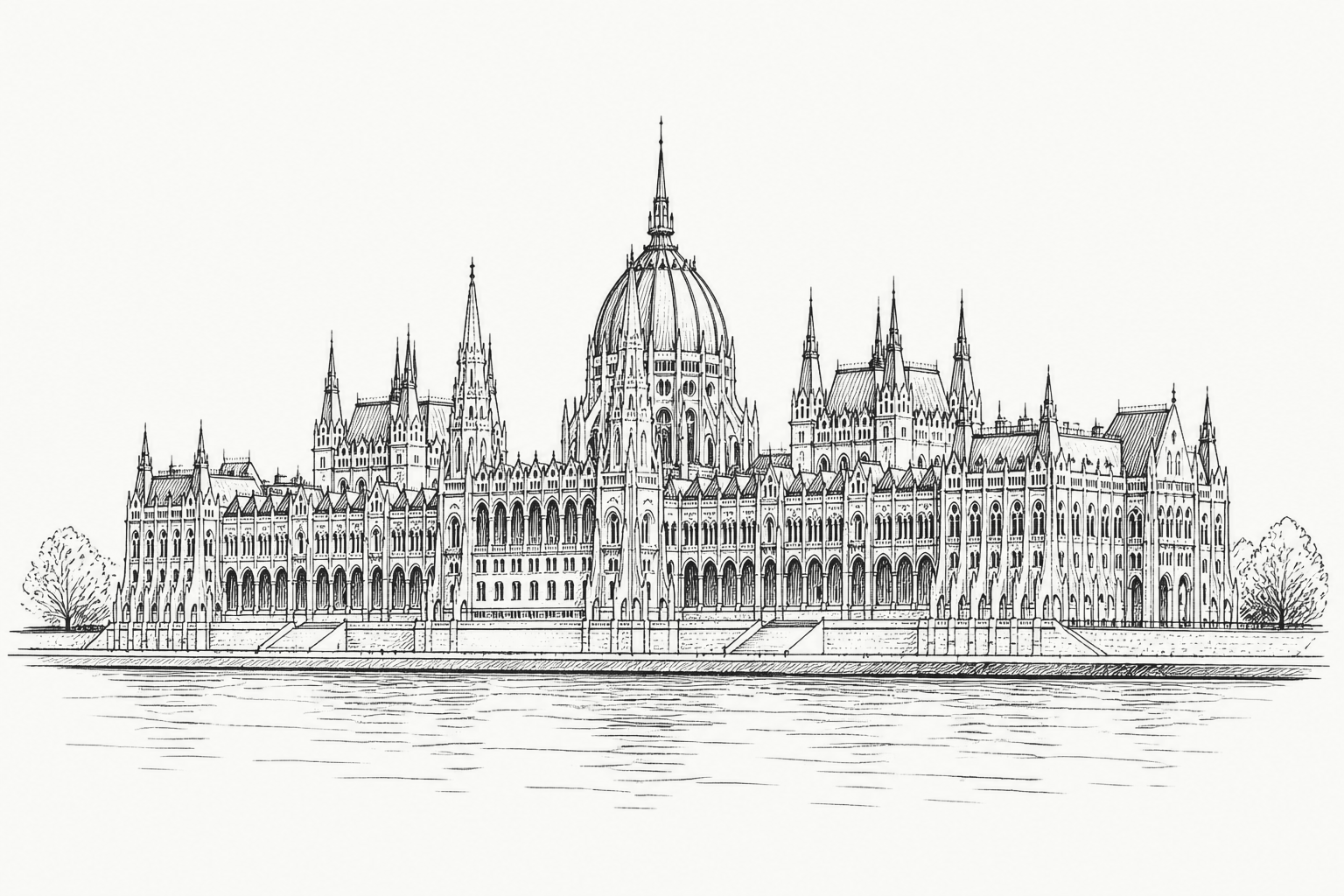
The European Commission will release €16.4 billion ($19 billion) in frozen funds to Hungary, President Ursula von der Leyen announced Friday, rewarding Prime Minister Peter Magyar's opening rule-of-law reforms after more than two years of Brussels withholding the money from Viktor Orban's government.
The package includes €10 billion from the Next Generation EU recovery fund, €4.2 billion in cohesion funds and an additional €2.2 billion tied to further progress, von der Leyen said. Brussels had frozen roughly €18 billion ($21 billion) under Orban over democratic backsliding, corruption and LGBTQ rights. The released sum equals about 13 percent of Hungary's national budget.
Reforms in weeks
Magyar's Tisza party, which secured a two-thirds parliamentary majority in April, moved quickly. Lawmakers voted Wednesday to abandon Orban's plan to withdraw from the International Criminal Court. Budapest police announced they would permit next month's Pride parade, reversing Orban's ban. Magyar has also agreed to join the European Public Prosecutor's Office, an EU anti-corruption body Orban rejected.
Von der Leyen praised the pace. "In only a few weeks, you have driven forward long overdue reforms," she said, adding that "the Hungarian people deserve it."
Historic day
Magyar called the deal a "historic day," telling reporters in Budapest: "We will bring this money home, as we promised, to rebuild Hungary." Officials said initial disbursements could reach Hungary before year-end if Magyar's government meets the European Union's 27 rule-of-law milestones by an August 31 deadline.
Corruption ranked as the top concern among Hungarian voters in April's election. The Christian Science Monitor reported that roughly 30 percent of Hungarian gross domestic product flowed through Orban-connected businesses during his 16 years in power. Magyar has begun removing Orban loyalists from senior posts and has launched an anonymous whistleblower platform to preserve evidence before the formal transfer of power.
High bar ahead
The scale of the task remains daunting. Orban packed the constitutional courts with loyalists, and Magyar must restructure the judiciary, dismantle media controls and unwind an oligarchic economic web. Grégoire Roos of Chatham House cautioned that "He will not dismantle that web overnight."
Stefano Bottoni, senior fellow at the Hungarian Academy of Sciences, said the deeper test is cultural. "We have to build a democratic culture that was never there. If he can at least start doing that, we have a historic chance," Bottoni said. He has also pressed Magyar on whether he can resist the trap that ensnared his predecessor: "Can you avoid being trapped in your own power bubble? Can you allow some control on your own power?"
The August 31 deadline leaves Magyar barely three months to clear all 27 milestones. Missing them would put the remaining frozen funds, and the political momentum of his young government, back in jeopardy.