Vladimir Putin and Xi Jinping held talks in Beijing on Wednesday over the long-stalled Power of Siberia 2 natural gas pipeline, with the Kremlin saying the two sides had "reached an understanding on the project's main parameters" while acknowledging that "some nuances remain to be ironed out."
The meeting advances — but does not close — a negotiation that has dragged for years. A final deal would give Moscow a major new export outlet to replace European markets it has largely lost since its 2022 invasion of Ukraine, while giving Beijing an overland energy route that sidesteps the maritime chokepoints disrupted by the U.S.-Iran war.
What shifted
Kremlin Press Secretary Dmitry Peskov's language was the most concrete signal yet that the two sides have narrowed their differences, but the absence of a signed agreement and any delivery timeline underscored how far apart they remain on specifics. Kremlin foreign policy aide Yuri Ushakov had said Tuesday that the pipeline "will be discussed in great detail between the leaders."
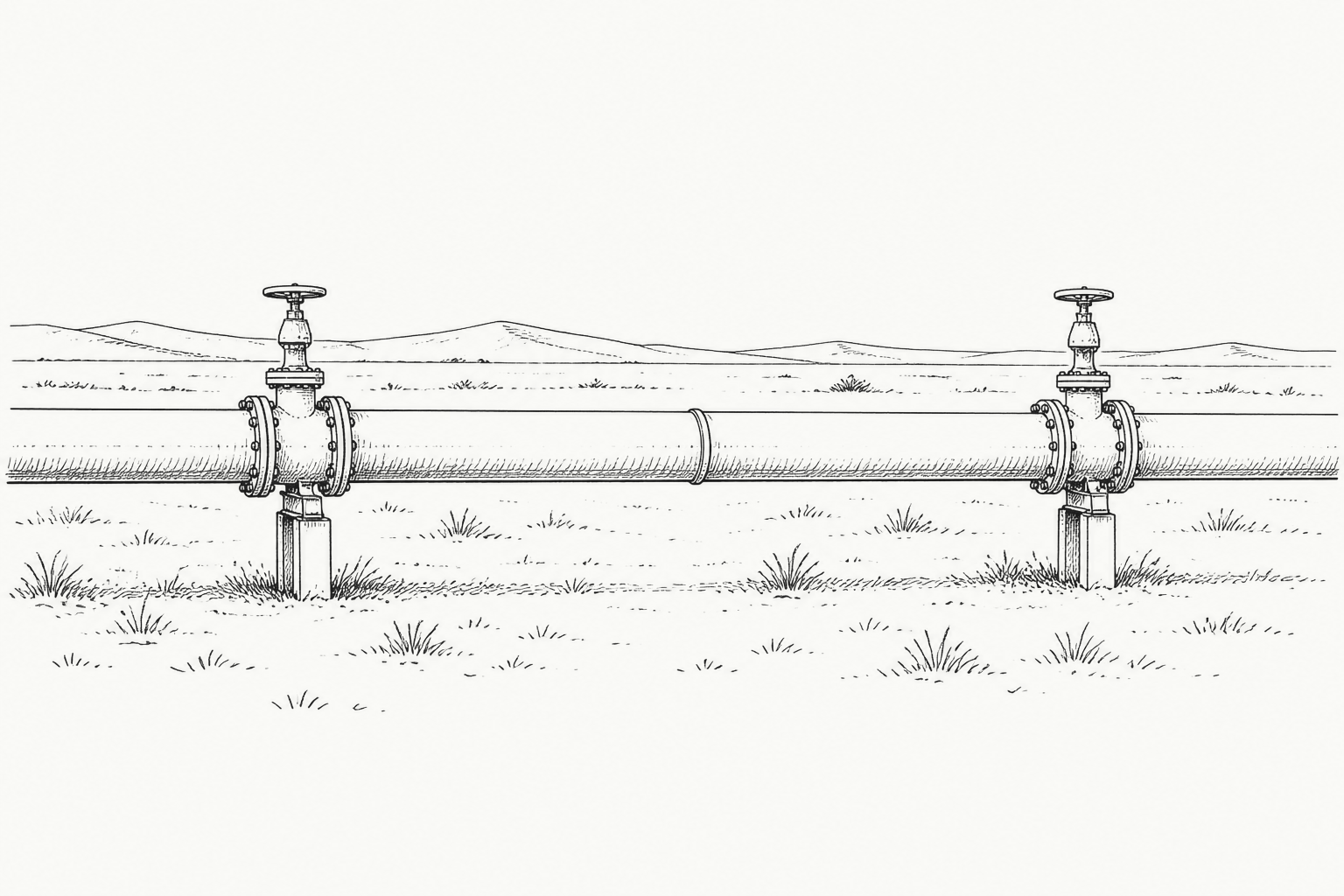
The proposed pipeline would stretch 2,600 kilometers, carrying 50 billion cubic meters of gas per year from Russia's Yamal fields through Mongolia to China. That compares with the 38 billion cubic meters delivered annually by the existing Power of Siberia 1 system. The pricing gap is wide: China has sought terms near Russia's domestic rate of around $120 to $130 per 1,000 cubic meters, while Moscow wants terms closer to those of Power of Siberia 1, which analysts estimate would more than double that figure.
The stakes for Moscow
Russia needs the deal more than China does. Gazprom's European shipments have collapsed since 2022, and nearly one-third of Russian small businesses are considering closure or sale amid mounting inflation, according to Semafor. The Financial Times has called Power of Siberia 2 Moscow's "only real chance" of offsetting lost European revenue.
China's imports of Russian oil jumped 35 percent year over year in the first quarter, customs data show, reflecting how far the bilateral energy relationship has already tilted. Putin said the two nations' talks had been "friendly, warm, and constructive" and that relations stood at an "unprecedented level."
The counterparty
All four sources in today's reporting carry a center lean; no U.S. administration response to the pipeline talks appeared in the dossier by press time, and no Russian state-media account beyond TASS-relayed Kremlin statements was available. Analysts quoted by CNBC are skeptical that the Iran war's energy shock fundamentally shifts Beijing's negotiating hand: China holds roughly 92 days of crude inventory and has seen domestic gas output rise 2.7 percent this year, giving it leverage to wait.
The next concrete test of whether Wednesday's talks produced real movement will be whether negotiators set a formal pricing framework before the next scheduled bilateral energy meeting.