A drone strike that set fire to the United Arab Emirates' only nuclear power plant on Sunday pushed the global bond rout to fresh multiyear highs Monday, with the 10-year U.S. Treasury yield touching its highest level in 15 months, Japan's 30-year yield hitting a record dating to 1999 and Brent crude trading near $110 a barrel as Tehran sent a counteroffer to Washington through mediator Pakistan.
The combination of an attack on Gulf nuclear infrastructure, stalled diplomacy and oil-driven inflation has converted the third month of the Iran war from a slow-burning ceasefire failure into a synchronized strike on sovereign debt markets from Tokyo to London. Treasury Secretary Scott Bessent flew to Paris to press Group of Seven counterparts to tighten sanctions on what he called Iran's "war machine," even as central bankers there warned that the inflation pulse from $108-a-barrel oil leaves them little room to cut rates into the slowdown the same war is producing.
What hit Barakah
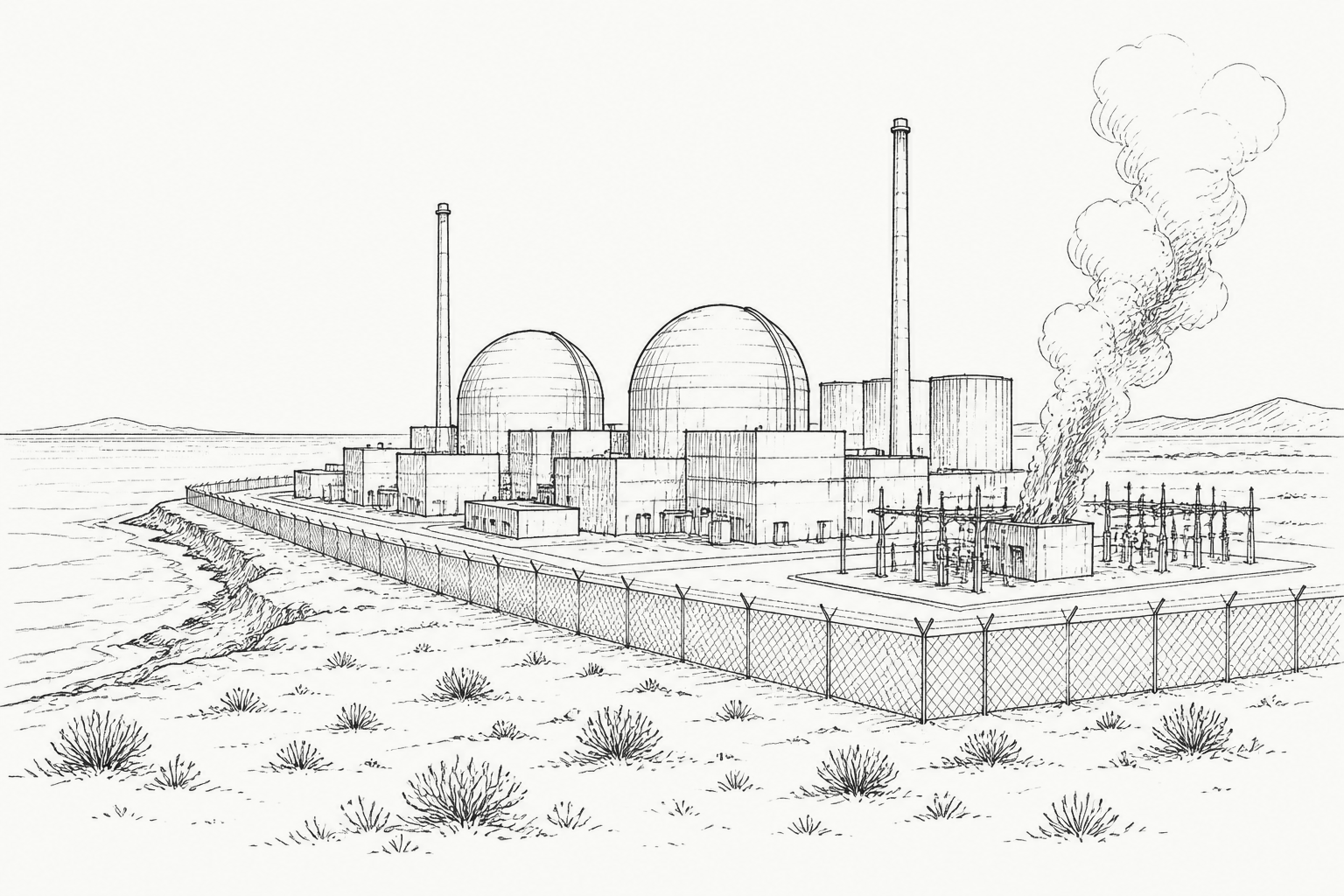
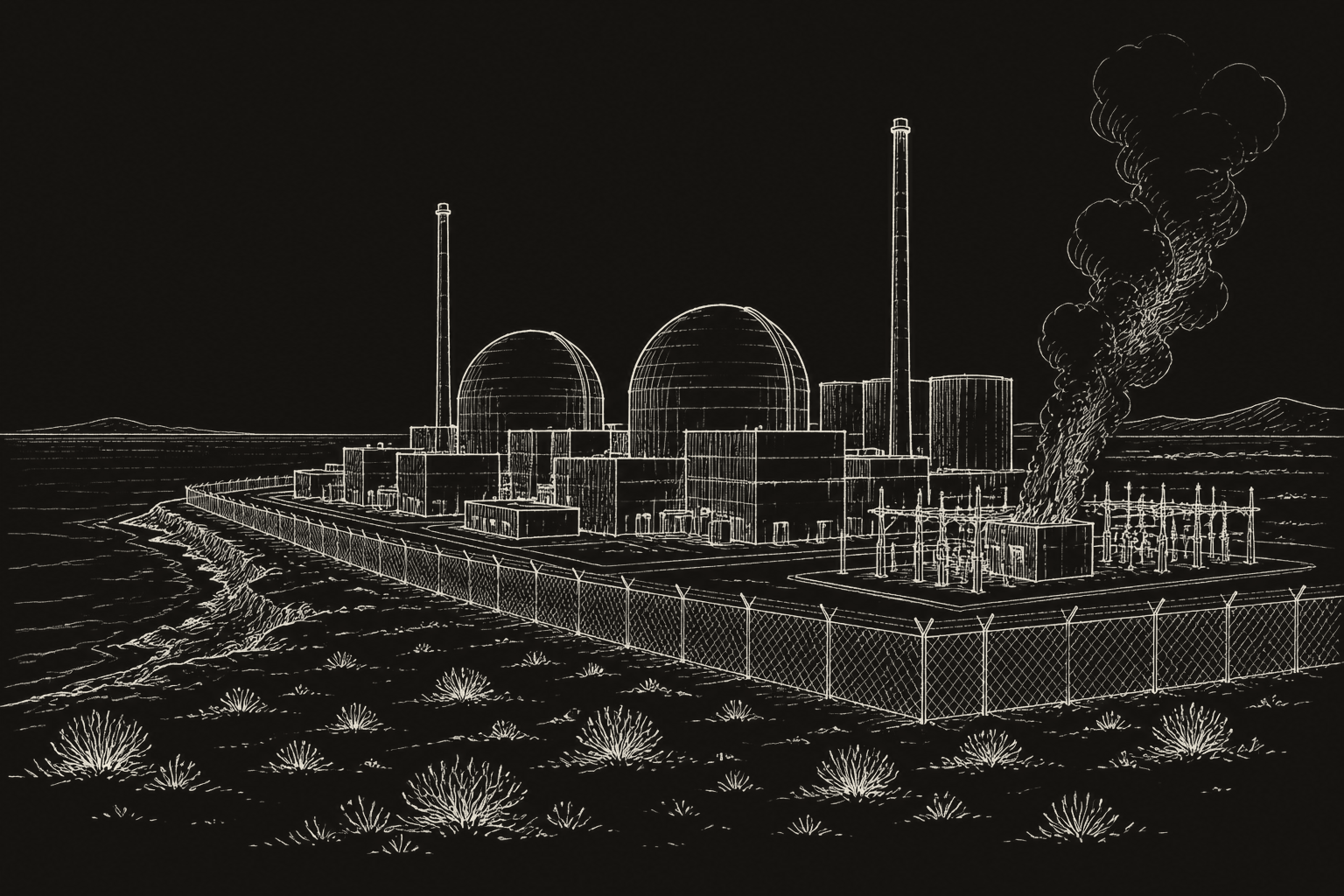
Three drones crossed the UAE's western border with Saudi Arabia on Sunday, the UAE Defense Ministry said, and two were intercepted. The third ignited an electrical generator on the perimeter of the four-reactor Barakah plant, a $20 billion South Korean-built complex that supplies roughly a quarter of the emirates' electricity. The International Atomic Energy Agency confirmed one reactor switched to emergency diesel power. The UAE's nuclear regulator said "all units are operating as normal" and that the fire did not affect plant safety. No group claimed responsibility, and the UAE called it an "unprovoked terrorist attack" without naming an assailant. Saudi Arabia separately reported intercepting three drones launched from Iraqi airspace.
It was the first time the Barakah plant, which went online in 2020 and is the only nuclear power station in the Arab world, had been struck since fighting began. Pakistan, which is mediating between Washington and Tehran, was among the governments that condemned the attack.
On the Street
The 10-year Treasury note yield was effectively flat at 4.591 percent in Monday trading after touching its 15-month high earlier in the session, according to CNBC. The 30-year bond yield held at 5.123 percent, near a one-year peak, and the two-year note slipped to 4.075 percent. The synchronization was the more striking move. The 10-year German bund yield reached its highest since May 2011, the 10-year Japanese government bond since May 1997 and the Japanese 30-year its highest since the security began trading in 1999. In Britain, where Prime Minister Keir Starmer is fighting off a leadership challenge, the 10-year gilt yield touched its highest level since July 2008 and the 30-year its highest since 1998.
Brent crude traded around $109 a barrel and West Texas Intermediate near $105, CNBC reported, with NBC News putting Brent at roughly $110 after Sunday's strike. Brent traded near $70 before the war began in February. Fatih Birol, head of the International Energy Agency, told the G7 gathering in Paris that commercial oil inventories were depleting rapidly and had only a few weeks of cushion left.
"Inflation is going to be a tricky, annoying problem for central banks and bond investors," Will Hobbs, chief investment officer at Brooks Macdonald, told CNBC. European Central Bank President Christine Lagarde, asked in Paris whether she was worried about bond volatility, replied: "I always worry, that's my job."
The Tehran exchange
Iranian Foreign Ministry spokesman Esmaeil Baghaei said Monday in Tehran that Iran's response to the latest U.S. proposal had been "conveyed to the American side" through Pakistan. The Iranian semi-official Fars news agency reported that Washington's five-point offer would require Iran to keep only one nuclear site operational and to transfer its highly enriched uranium stockpile to the United States, and that the U.S. had refused to release even a quarter of frozen Iranian assets or pay reparations for war damage. Iran's demands, Baghaei said, include the release of frozen assets, the lifting of sanctions, an end to a U.S. blockade of Iranian ports and a halt to Israeli operations in Lebanon.
President Trump, who on Sunday posted on Truth Social that "the Clock is Ticking" for Iran and that "there won't be anything left of them" without a deal, told Axios that Iran would be "hit much harder" absent a better proposal. Axios reported that Trump will meet his national security advisers Tuesday to weigh military options.
The counterparty
Conservative-leaning U.S. outlets were not represented in the wire feed available for this edition; the Iranian and allied response below is drawn from center and lean-left reporting. Baghaei said Tehran was not "intimidated by the enemy’s threats" and that the "process of talks and negotiations" remained "ongoing." He said Iran would not compromise on what he described as its right to nuclear enrichment under the Nuclear Non-Proliferation Treaty, and said Tehran had no enmity with regional neighbors, including the UAE. Iran would be "monitoring all movements" and was "prepared for any possibility," he said. "If they make even the slightest mistake, we know very well how to respond." Tehran has not claimed the Barakah strike, and the UAE has not formally assigned blame.
The G7 finance ministers' meeting in Paris runs through Tuesday, the same day Trump is scheduled to convene his war cabinet in Washington.