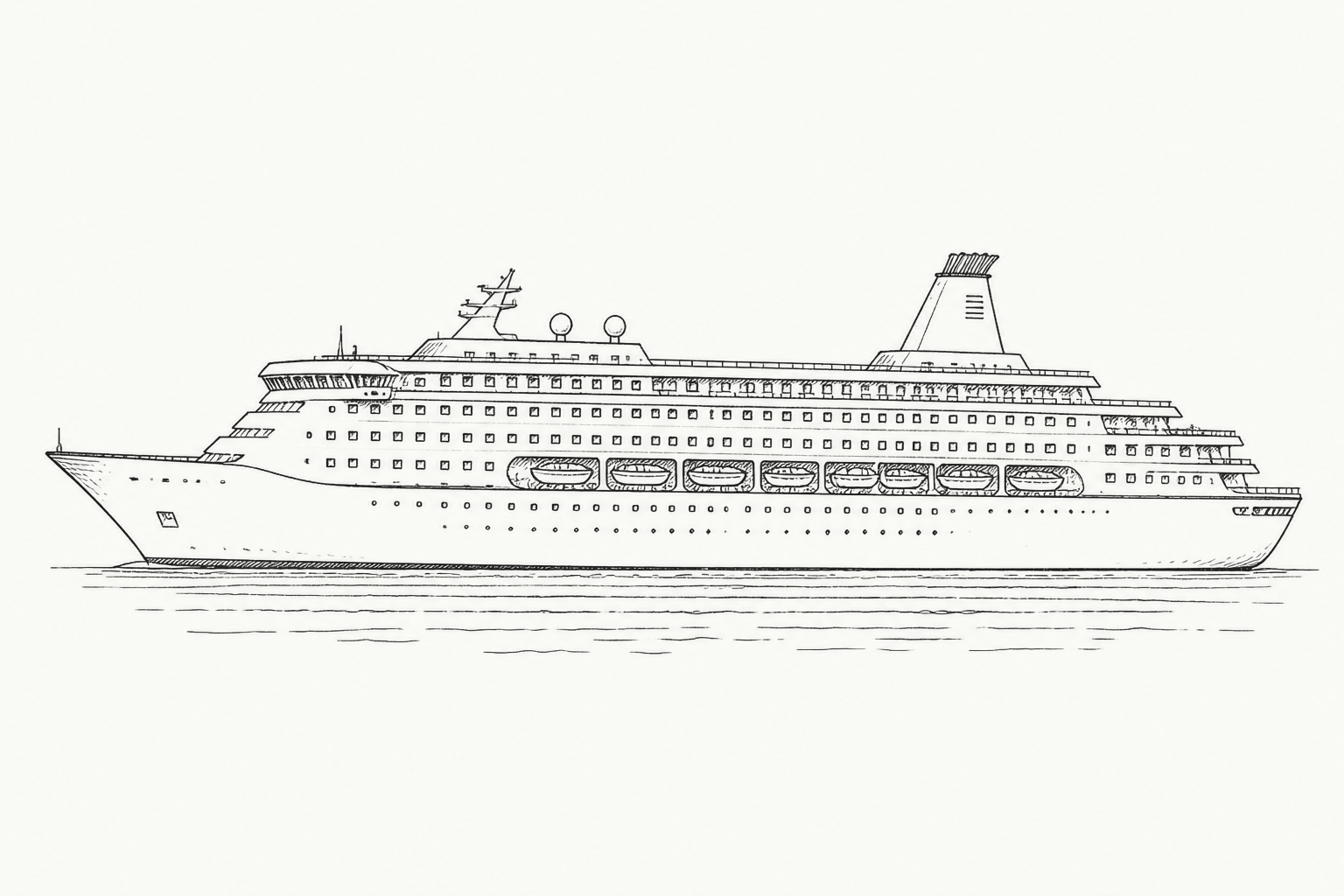

The global hantavirus outbreak traced to the MV Hondius cruise ship has climbed to 11 confirmed or suspected cases, including three deaths, with a 65-year-old French woman in intensive care on an artificial lung and a Spanish passenger newly confirmed positive, the World Health Organization and European health authorities said this week.
The tally extends a chain of disclosures that began when the Dutch-flagged expedition ship docked in Tenerife on May 10 and accelerated when 17 Americans and one British dual citizen arrived at Offutt Air Force Base outside Omaha on Monday. The cluster now spans at least four continents, and the U.S. Centers for Disease Control and Prevention has so far declined to require home isolation for exposed passengers being tracked across five states.
The French case
Infectious-disease specialist Xavier Lescure told a French Health Ministry briefing on Tuesday that the French woman had developed "the most severe form" of the cardiopulmonary illness associated with the Andes strain of hantavirus and was receiving oxygen through an artificial lung. French Health Minister Stephanie Rist said Wednesday that 26 people in France who may have been exposed had tested negative on May 14 but would remain isolated in a hospital and be tested three times a week. Rist said prior transmission to others could be "ruled out at this stage."
Spain's health ministry confirmed Tuesday that one of the 14 Spanish nationals quarantined at a military hospital in Madrid had tested positive. The other 13 have tested negative, The Associated Press reported.
Inside the Nebraska unit
At the University of Nebraska Medical Center, the lone American who tested "mildly PCR positive for the Andes virus" in flight was medically cleared Wednesday to move from the biocontainment unit to the National Quarantine Unit, Nebraska Medicine said. Dr. Stephen Kornfeld, the Bend, Ore., oncologist who treated fellow passengers aboard the Hondius, also moved to the quarantine unit after testing negative. A 16th American was cleared the same day. Jake Rosmarin, a New York native among the quarantined passengers, told CBS News he had no symptoms and was "just ready to cope with the next 40 days left here in quarantine."
The passenger who developed symptoms in flight, and a traveling companion, were flown to Atlanta for care at Emory University Hospital. Federal officials said that passenger has since tested negative.
The counterpoint
The CDC and the WHO continue to describe public risk as low. Unlike Covid-19, measles or seasonal influenza, the Andes strain typically requires prolonged close contact to spread between people, and U.S. cases of hantavirus disease are rare: 890 from 1993 through 2023, most in Western states. Lawrence Gostin, a Georgetown professor of public health law, told CNBC the agency appears to have this outbreak contained, even as he faulted the federal response as slow. "But if this is a stress test, we failed this," Gostin said.
Hantavirus has an incubation period of one to six weeks, and the WHO is in touch with health agencies in at least 12 countries tracking returnees. The next milestone arrives in early July, when the last of the U.S. quarantine windows is scheduled to close.