Iran's foreign ministry said Wednesday it is reviewing a U.S. counter-proposal to end the 69-day war, delivered through Pakistani mediators, as President Trump told reporters the conflict "will be over quickly" and warned that bombing would resume if Tehran balks. The Iranian reply marks the next step in an exchange that began last weekend, when Trump said he was studying a 14-point Iranian proposal and paused his Project Freedom naval escort mission Tuesday night to make room for a deal.
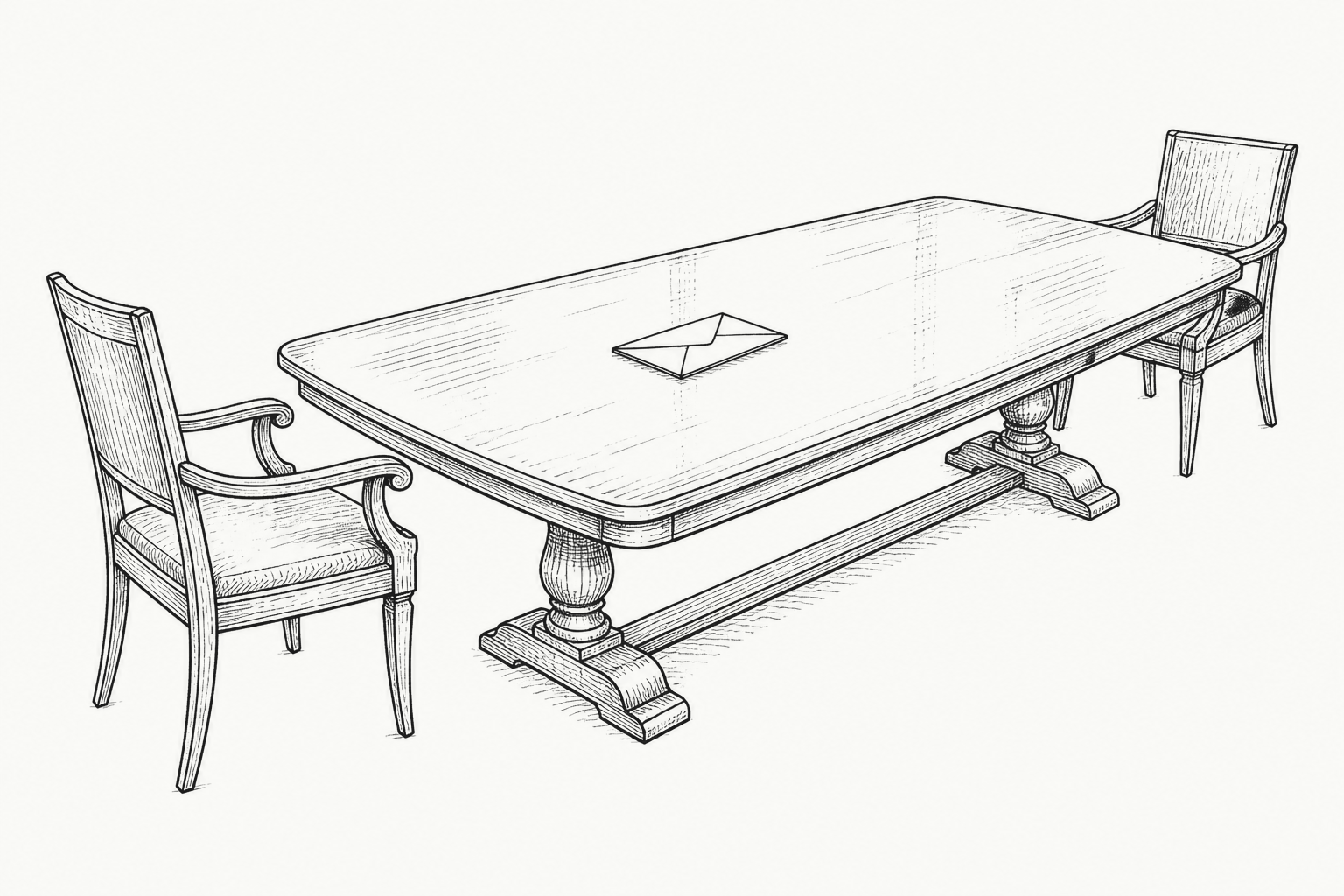
The document on the table would be a memorandum of understanding cutting Iran's nuclear program and reopening the Strait of Hormuz, the chokepoint that has been effectively closed since early March and has driven U.S. gasoline to a Wednesday average of $4.54 a gallon, the highest since July 2022. Foreign Ministry spokesman Esmaeil Baghaei told Iran's ISNA news agency the U.S. text remains "under review" and that Tehran will respond once it has "finalised its views."
What the deal contains
PBS NewsHour's Nick Schifrin, citing Iranian, regional and European officials, reported that a first phase would lift Iran's chokehold on the strait in exchange for ending the U.S. blockade, with all parties — including Hezbollah and Israel — declaring an end to the war. A second phase would freeze Iran's domestic uranium enrichment, with Washington proposing a 20-year term and Tehran countering with five years plus a five-year extension. Iran would export its roughly 1,000 pounds of highly enriched uranium and accept International Atomic Energy Agency inspections, and the U.S. would lift sanctions and unfreeze Iranian assets. The two sides have set themselves about 30 days to settle the details.
Trump's pitch and his threat
"We have had very good talks over the last 24 hours. And it's very possible that we will make a deal," Trump told reporters at the White House on Wednesday, while acknowledging earlier rounds had collapsed overnight. He said separately that the war was going "unbelievably well" and predicted, at a Georgia campaign event, that "it'll be over quickly." The president paired the optimism with an ultimatum on Truth Social: "If they don't agree, the bombing starts, and it will be, sadly, at a much higher level and intensity than it was before." Asked about a deadline, Trump told reporters: "Never a deadline."
Tehran's mixed signals
Iran's parliament speaker and lead negotiator Mohammad Bagher Ghalibaf used social media this week to mock the American military campaign, joking that "Operation Trust Me Bro failed" and that Washington had returned to "Operation Fauxios." Foreign Minister Abbas Araghchi told Macron, according to Iran's presidency, that any reopening of the strait "requires the lifting of the naval blockade imposed by the United States." At the same time, Lloyd's List reported Wednesday that Iran has set up a new Persian Gulf Strait Authority to license transits and collect tolls, an effort to entrench its control even as negotiators work toward dismantling it.
The mediator and the markets
Pakistan's foreign ministry spokesman Tahir Andrabi said Thursday that "we expect an agreement sooner rather than later," but declined to set a timeline or say whether Iran would respond by day's end. Brent crude and West Texas Intermediate both fell below $100 a barrel Thursday, down about 10 percent over two days, and Saudi Arabia's Al-Hadath television reported "intensive negotiations" to ease the blockade. German shipping line Hapag-Lloyd said the strait closure is costing it about $60 million a week in fuel and insurance.
The counterpoint
A senior European official with long experience on Iran told PBS the two sides were unlikely to reach an agreement and were "doubtful that Iran will actually fulfill what it's promising." Ghalibaf's mockery suggests skepticism inside Tehran's negotiating ranks as well. Right-leaning U.S. outlets had not detailed the proposal's terms in the dossier reviewed by The Journal; today's reporting draws on lean-left and center sources, leaving the conservative critique of the framework absent from the on-record record.
Trump aims to close the deal before his upcoming trip to China, Al Jazeera's Kimberly Halkett reported, a timetable that gives Pakistani mediators days, not weeks, to ferry Iran's reply back to Washington.