Iran for the first time since April's ceasefire struck the United Arab Emirates on Monday, hitting a key oil facility at Fujairah, the one major Gulf export terminal that does not require ships to pass through the Strait of Hormuz. Hours of simultaneous combat in the strait itself saw U.S. Navy destroyers sink as many as seven Iranian boats while clearing a transit lane for stranded commercial ships.
The Fujairah strike removes the workaround that had let Gulf crude reach buyers without running Iran's gauntlet, and it punctures the three-week truce that had drained the supply-shock premium from oil and equity benchmarks. With about a fifth of global oil and natural-gas trade typically routed through the strait, according to NPR, investors must now weigh the risk that the war the Pentagon last week priced at $25 billion is reigniting.
What shifted
The UAE Defense Ministry said Iran fired 12 ballistic missiles, three cruise missiles and four drones at the country Monday. Air defenses engaged the salvo; one drone sparked a fire at a key oil facility in the eastern emirate of Fujairah, wounding three Indian nationals, and the British military reported two cargo vessels ablaze off the UAE coast. Since the war began Feb. 28, Emirati air defenses have engaged 549 ballistic missiles, 29 cruise missiles and 2,260 drones, the ministry said.
Fujairah's significance is structural. It is the UAE's only major port that bypasses the Strait of Hormuz, PBS NewsHour reported, meaning crude loaded there has been able to reach the open sea while Iran's mines and small-boat campaign have damaged nearly 30 vessels inside the strait since the war's start. A working Fujairah was the Gulf's safety valve. A burning Fujairah is not.
On the convoy
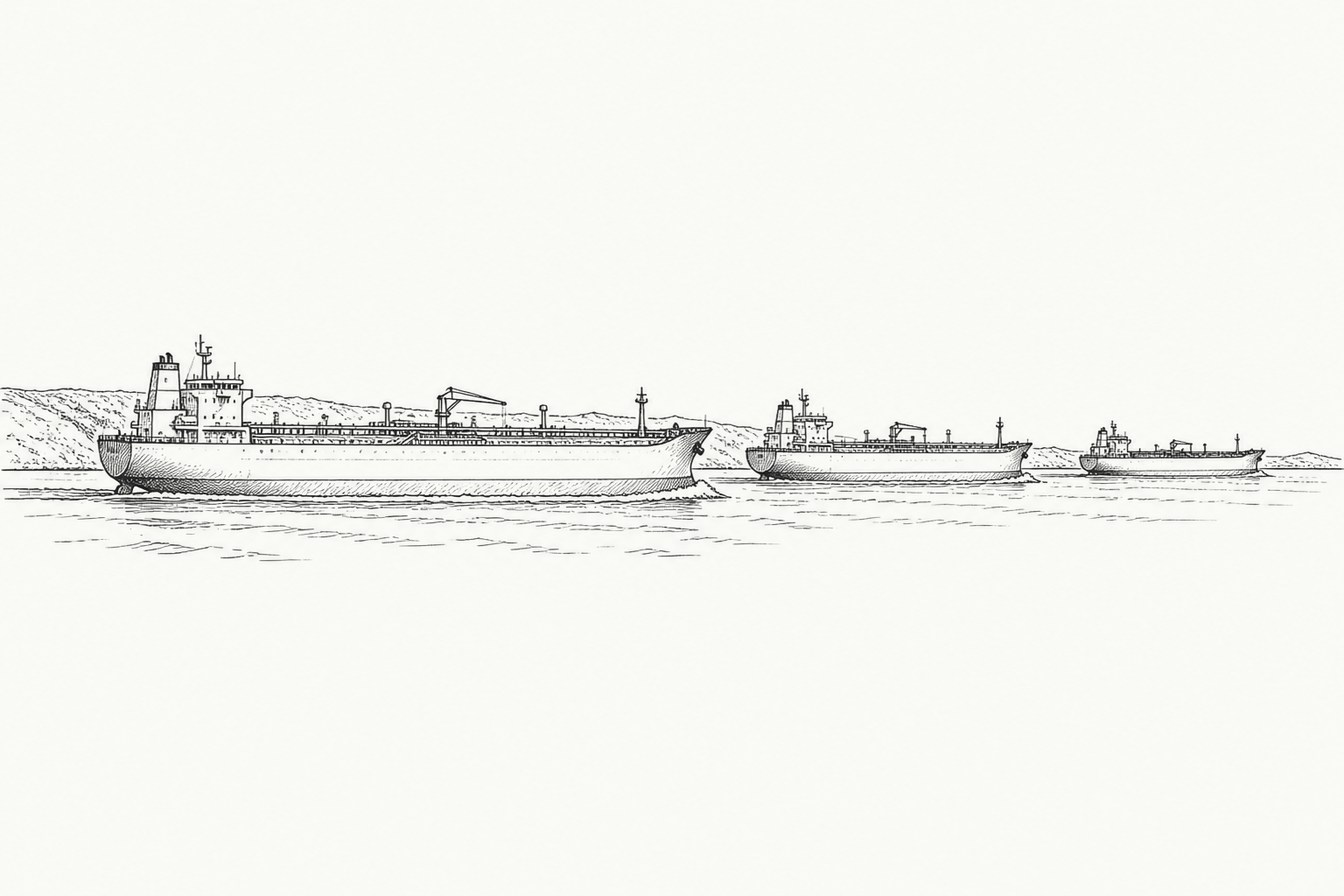
Inside the strait, Iran's Revolutionary Guard Corps fired cruise missiles, drones and small boats at U.S. guided-missile destroyers escorting the first transits under President Trump's "Project Freedom." U.S. helicopters sank six Iranian boats, Adm. Brad Cooper, head of U.S. Central Command, told reporters; CBS News, citing defense officials, put the count at seven and identified the destroyers as the USS Truxtun and USS Mason. Neither was struck. Two U.S.-flagged commercial ships transited safely, and Denmark's Maersk said its U.S.-flagged Alliance Fairfax, stuck in the Gulf since Feb. 28, exited under U.S. military accompaniment without incident. A Panamanian-flagged crude tanker bound for Singapore was tracked Tuesday morning heading toward the center of the strait, according to MarineTraffic data cited by NPR.
The counterpoint
There is a case the disruption is contained. Saudi Arabia, Pakistan and India all condemned the UAE strikes Tuesday, and Iranian Foreign Minister Abbas Araghchi said on X that talks with the U.S. are "making progress" and warned both Washington and Abu Dhabi against "being dragged back into quagmire." Iran's chief negotiator and parliament speaker, Mohammad Bagher Qalibaf, posted that Tehran has "not even started" its full response, language some read as signaling Iran is staging escalation for leverage in nuclear talks rather than open war. South Korea said Tuesday it will "review its position" on joining Project Freedom after one of its cargo ships caught fire in the strait Monday.
Trump told reporters at the White House the U.S. is in a "mini war" and warned that any Iranian fire on American vessels would see those forces "blown off the face of the earth." Iran's 14-point proposal, which Trump said over the weekend he doubts will produce a deal, demands the U.S. lift sanctions, end the naval blockade in place since April 13 and cease Israeli operations in Lebanon, with Tehran setting a 30-day clock.
The next test is whether Tuesday's tanker traffic continues, whether insurers and charterers price the U.S. escort umbrella as protection or provocation, and whether the U.N. Security Council resolution Ambassador Mike Waltz said the U.S. is co-drafting with Bahrain can clear China and Russia, which vetoed a similar measure before April's ceasefire.