The Strait of Hormuz disruption began squeezing the world's lubricant supply this week, as European prices for the synthetic base oils that keep luxury engines running climbed to record highs and the U.S. Treasury threatened to sanction any company paying Iran for safe passage through the waterway.
Seven weeks into the closure of the strait, the second-order effects are spreading from crude to specialty products and from energy traders to manufacturers. Argus Media said Group III base oil prices in northern Europe have nearly doubled since the Iran war began. The U.S. Treasury's Office of Foreign Assets Control on Friday warned American and foreign firms that paying Iranian "tolls" in any form would trigger sanctions. Traffic through the strait remains down more than 90 percent, according to the U.K. Royal Navy, which estimates 20,000 seafarers are stranded aboard vessels.
Lubricants run low
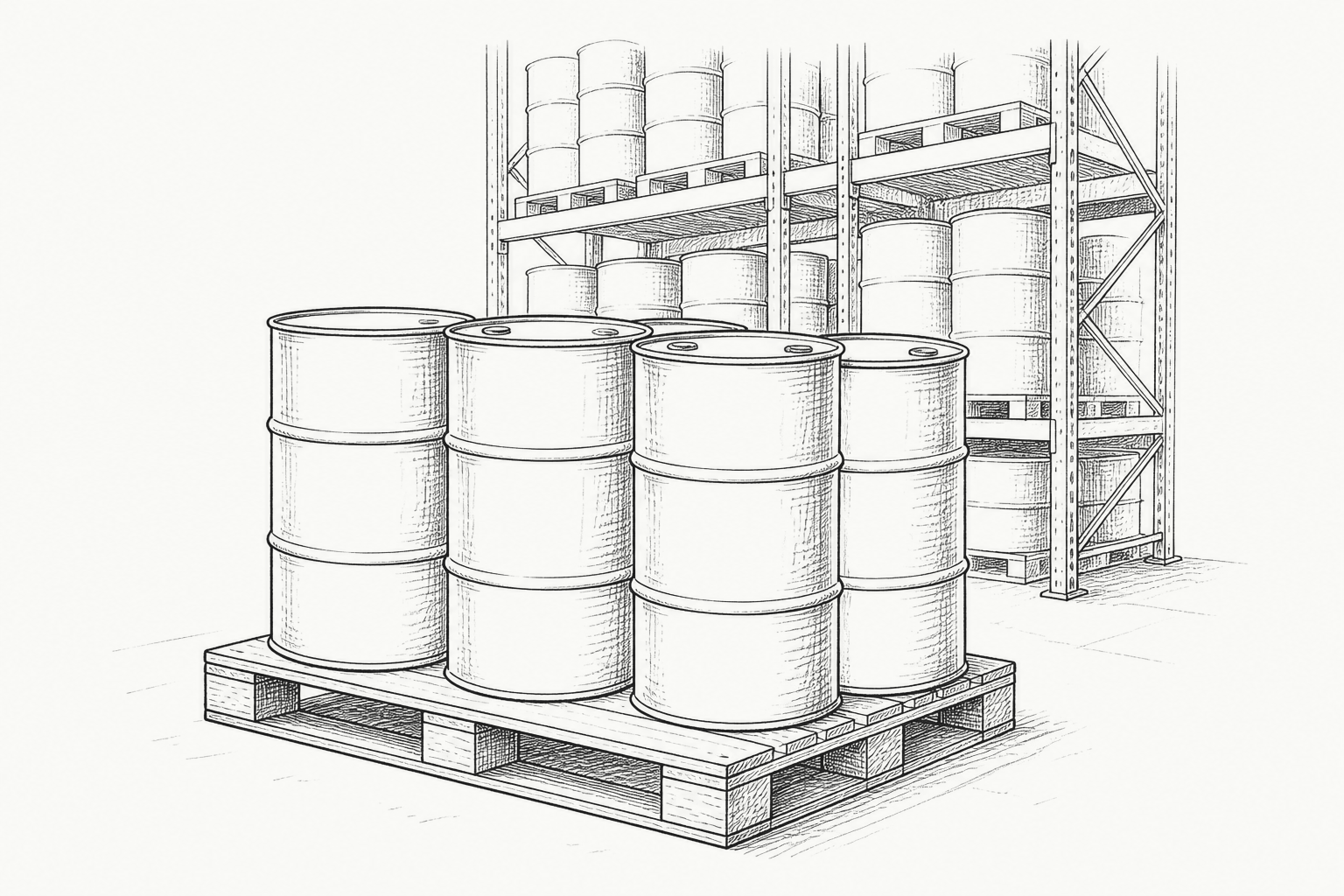
The Persian Gulf supplies roughly 44 percent of U.S. base oil and as much as 20 percent of global Group III capacity, the feedstock for the synthetic lubricants required by high-revving luxury engines. Holly Alfano, chief executive of the Independent Lubricant Manufacturers Association, said about 40 percent of the global Group III supply from the Gulf is offline or unable to ship, South Korean refiners are constrained by a crude shortage, and refiners are diverting Group II feedstock to fuels.
"Altogether, these dynamics are placing nearly three-quarters of U.S. Group III imports under stress, while also eliminating the industry's ability to substitute with Group II base oils," Alfano told CNBC. She warned that hurricane season could remove a further 30 to 40 percent of U.S. Group II capacity if a single storm strikes the Gulf Coast.
Gabriella Twining, head of base oils pricing at Argus Media, said inventories are nearly exhausted. "Stocks are going to run dry in a month if nothing comes in and that will just cut finished lubricant production," she said. South Korea, a leading exporter, has imposed mandatory caps on refined-product exports to protect domestic supply. The trade group expects pressure on the U.S. base oil market to last until at least 2027.
Treasury's guidance complicates the calculus for shippers already paying war-risk insurance premiums. Iranian authorities require commercial vessels to coordinate with the military for transit or face seizure. OFAC said payments in "hard currency, crypto currencies, or other in-kind payments" would all violate sanctions. More than two dozen ships have been damaged or taken casualties attempting passage, CBS News reported. Brent crude touched $126 a barrel Thursday before settling near $107 to $111 Friday, and U.S. gasoline reached $4.39 a gallon, up 34 cents in a week.
From Washington, the picture looks different. President Trump on Friday described American naval interdiction in the Gulf as a financially profitable operation, citing seizures of Iranian vessels and cargo. "We're like pirates. But we're not playing games," Trump said. He told reporters he was dissatisfied with Iran's latest peace proposal and threatened to escalate military action if talks stall. Iranian officials said in response that resumed hostilities are probable, accusing the United States of unwillingness to commit.
For the lubricant industry, the politics are secondary to the calendar. An oil change can be deferred. A supercar engine cannot run on substitutes that do not exist.