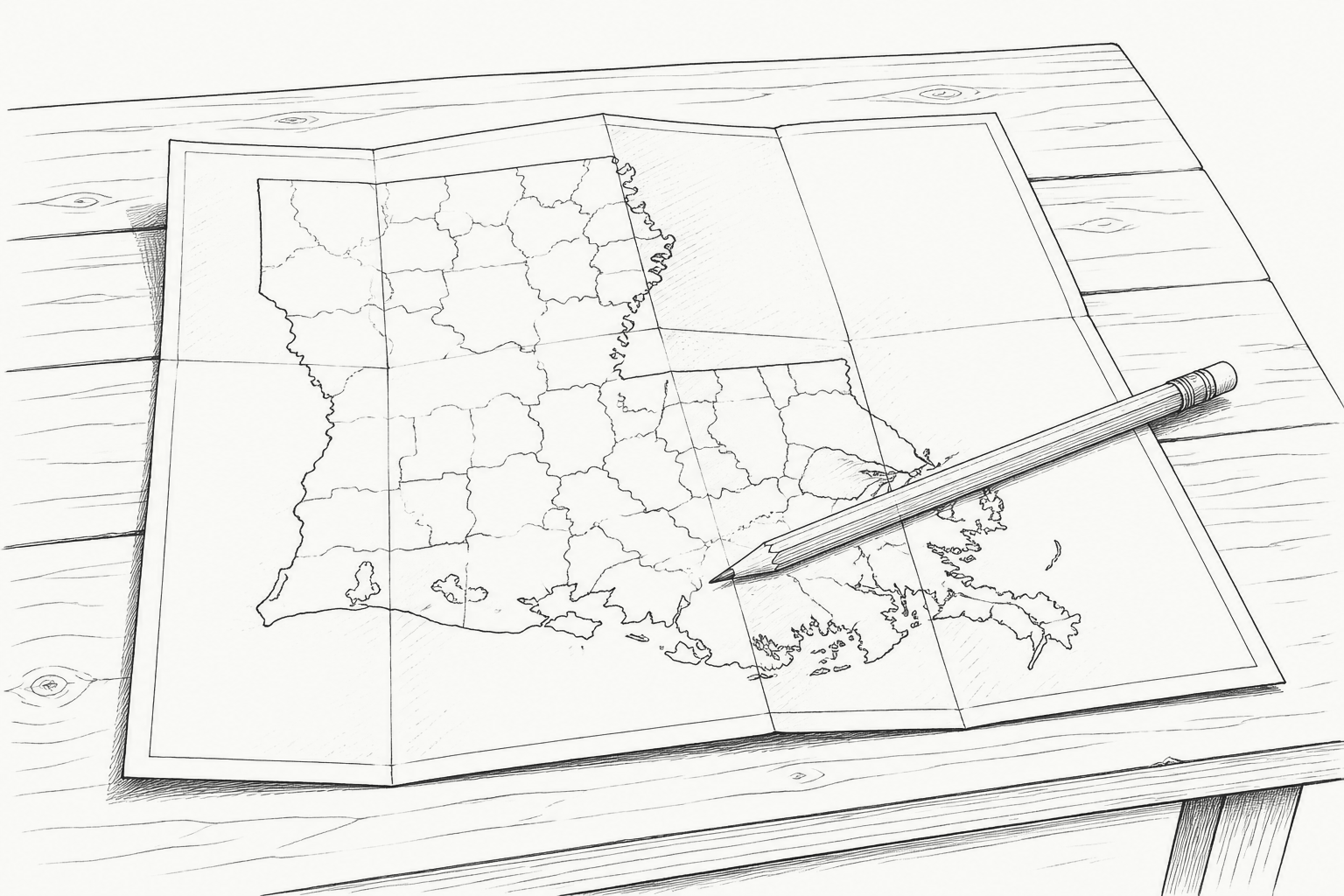
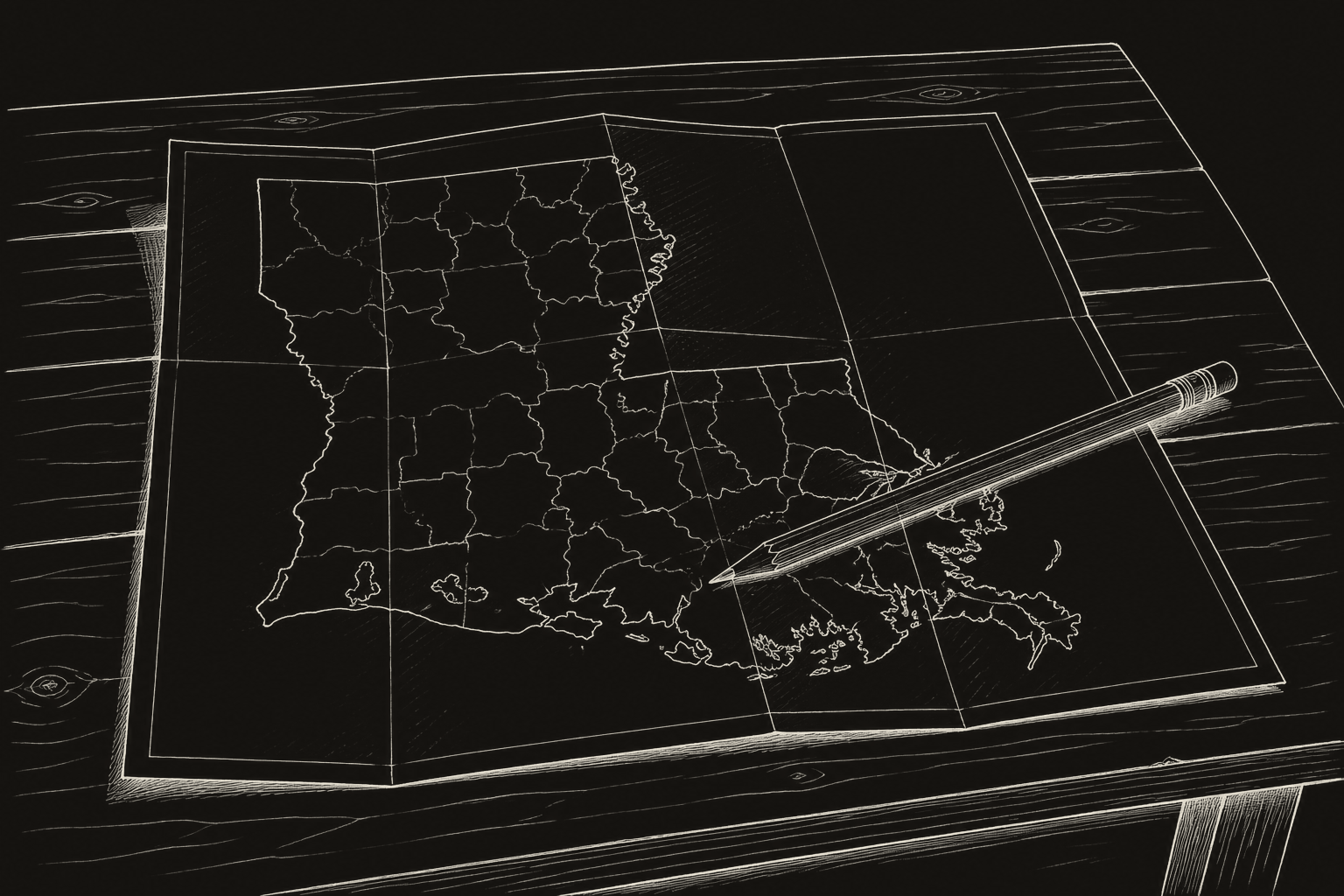
The Supreme Court on Wednesday struck down Louisiana's congressional map and tightened the standard for challenges under Section 2 of the Voting Rights Act, ruling 6-3 that the state's second majority-Black district is an unconstitutional racial gerrymander. Justice Samuel Alito wrote for the conservative majority in Louisiana v. Callais; Justice Elena Kagan read a summary of her dissent from the bench.
The decision lands less than three weeks before Louisiana's May 16 primary and seven months before November's midterms. It raises the evidentiary bar that minority voters and civil rights groups must clear to overturn a district plan, and it invites Republican-led states to revisit maps drawn to comply with the 1965 law.
What the court said
Alito wrote that compliance with Section 2, "as properly construed, can provide such a reason" for considering race, but that the Louisiana legislature had gone too far. "Correctly understood, Section 2 does not impose liability at odds with the Constitution, and it should not have imposed liability on Louisiana for its 2022 map," he wrote. "Compliance with Section 2 thus could not justify the State's use of race-based redistricting here."
The majority said the law now "imposes liability only when the evidence supports a strong inference that the State intentionally drew its districts to afford minority voters less opportunity because of their race," a standard Alito described as reflecting "important developments" in the four decades since the court last set the test.
The map at issue
The disputed map, known as SB8, was adopted by the Louisiana legislature in 2024 after a federal judge in Baton Rouge ordered a remedial plan. It contains four majority-White districts and two majority-Black districts in a state where roughly 30 percent of residents are Black. Rep. Cleo Fields, a Black Democrat, won the redrawn 6th District in November 2024.
A group of 12 self-described "non-African-American" voters challenged the plan, and a divided three-judge panel invalidated it. The Trump administration sided with the challengers. After the Supreme Court scheduled re-argument for last October on whether race-based redistricting comports with the 14th and 15th Amendments, Louisiana reversed course and told the justices its own map was unconstitutional.
The dissent
Kagan, joined by Justices Sonia Sotomayor and Ketanji Brown Jackson, wrote that the majority "eviscerates" Section 2 and rendered it "all but dead-letter." She warned that "under the Court's new view of Section 2, a State can, without legal consequence, systematically dilute minority citizens' voting power."
"I dissent because the Court betrays its duty to faithfully implement the great statute Congress wrote," Kagan said. "I dissent because the Court's decision will set back the foundational right Congress granted of racial equality in electoral opportunity."
The White House welcomed the ruling. Spokeswoman Abigail Jackson called it a "complete and total victory" and said "the color of one's skin should not dictate which congressional district you belong in."
The counterpoint
Fox News framed the dispute as a redistricting war already under way in both parties, and reported that conservatives on the bench had pressed at October's argument on whether Congress intended a "sunset period" for Section 2's race-conscious remedies. Hashim Mooppan, the principal deputy solicitor general, told the justices the Louisiana plan amounted to a "reverse partisan gerrymander" built on "purely racial" considerations. Supporters of the ruling argue Section 2 survives intact and that the court has only barred states from using race as the predominant factor when other tools are available.
A report from Fair Fight Action and the Black Voters Matter Fund, cited by Fox News, estimates that an overhaul of the Voting Rights Act could swing as many as 12 Democratic-held House seats to Republicans. Louisiana's primary is May 16, with early voting beginning Saturday; legal challenges to maps in Texas, North Carolina, Missouri, Virginia and California are expected to test the new standard before November.